Economic Insights,
Every Week
Browse everything by date, or follow a learning track to read in a sequence that actually builds on itself.
Most Recent First
All Articles
61 articles
 Policy
BRICS Isn't Replacing the Dollar. It's Trying to Make It Less Necessary
BRICS is not about to replace the US dollar. Its more important ambition is to make the global economy less dependent on it. The 2026 summit showed a bloc moving toward alternative payment systems and local-currency trade, while exposing how hard it is to turn political ambition into economic infrastructure.
 India / Labour Economics
India's Informal Economy Is Growing. That's Not Necessarily Good News.
India's informal economy is getting bigger, but that does not necessarily mean India's jobs problem is getting smaller. The latest government data shows 7.92 crore unincorporated establishments, up from 7.34 crore, but 86% of them are run by their owners alone, with no employees.
 Monthly RoundupVideo
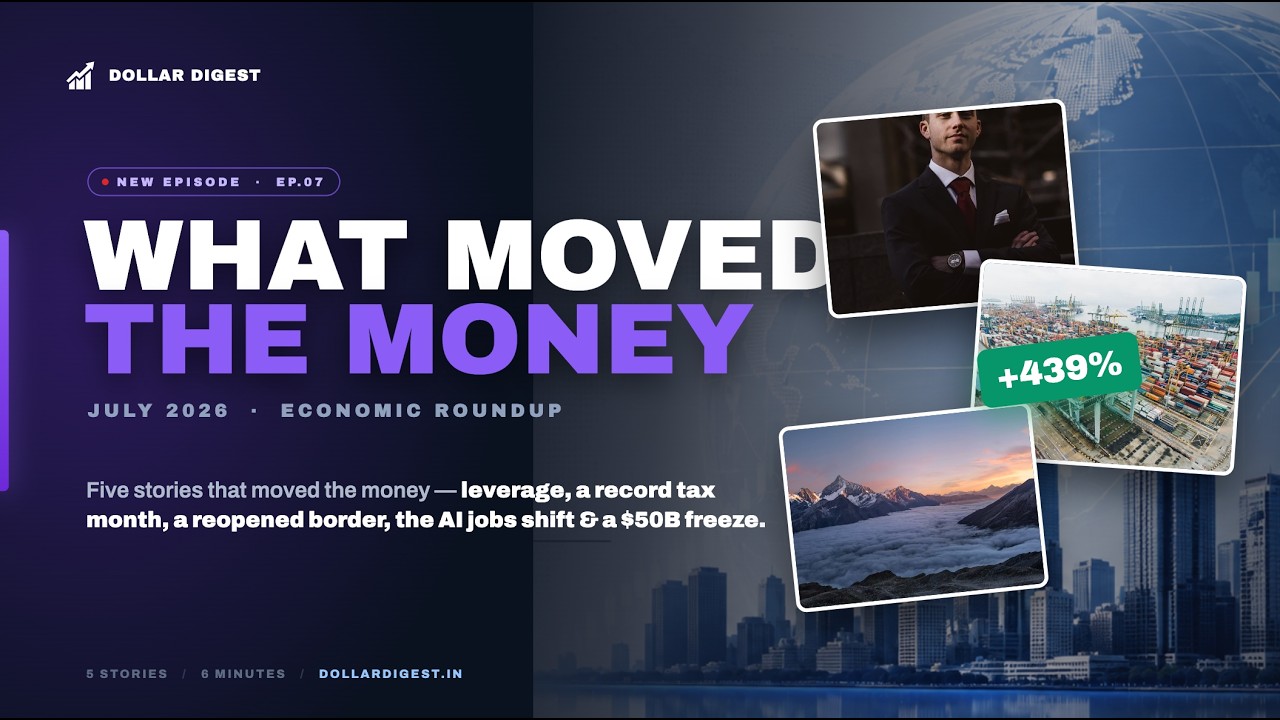
What Moved the Money Last Month: July 2026 Economic Roundup
July was a month where conviction got punished, a government's ledger did something interesting, a mountain pass reopened after six years, hiring stopped following the old rules, and fifty billion dollars sat frozen because of a war ten thousand kilometers away.
 Real Estate / Behavioral Economics
Why Mumbai Has Thousands of Empty Flats and a Housing Shortage at the Same Time.
When you walk through parts of Mumbai, you will see two things that should not exist together. Families are stacked three generations deep into one room because they cannot afford anything bigger. A few kilometres away, entire towers stand finished and empty, waiting for buyers who are not coming. Thousands of flats across the city sit unsold for years. Not because nobody needs a home. Because the people who need homes cannot afford the flats that are sitting empty, and the people who built those flats will not lower the price to meet them.
 Tech and Markets
₹14,257 Crore Buys India a Data Centre. Does It Buy Sovereignty?
On July 24, HCLTech signed a deal with the Odisha government and the AI startup Sarvam to build a data centre in Bhubaneswar. The number attached to it, ₹14,257 crore, about $1.48 billion, is the part every headline led with. What actually matters is what that money buys: not more computing power, but control over where that power sits.
 Consumer Economics
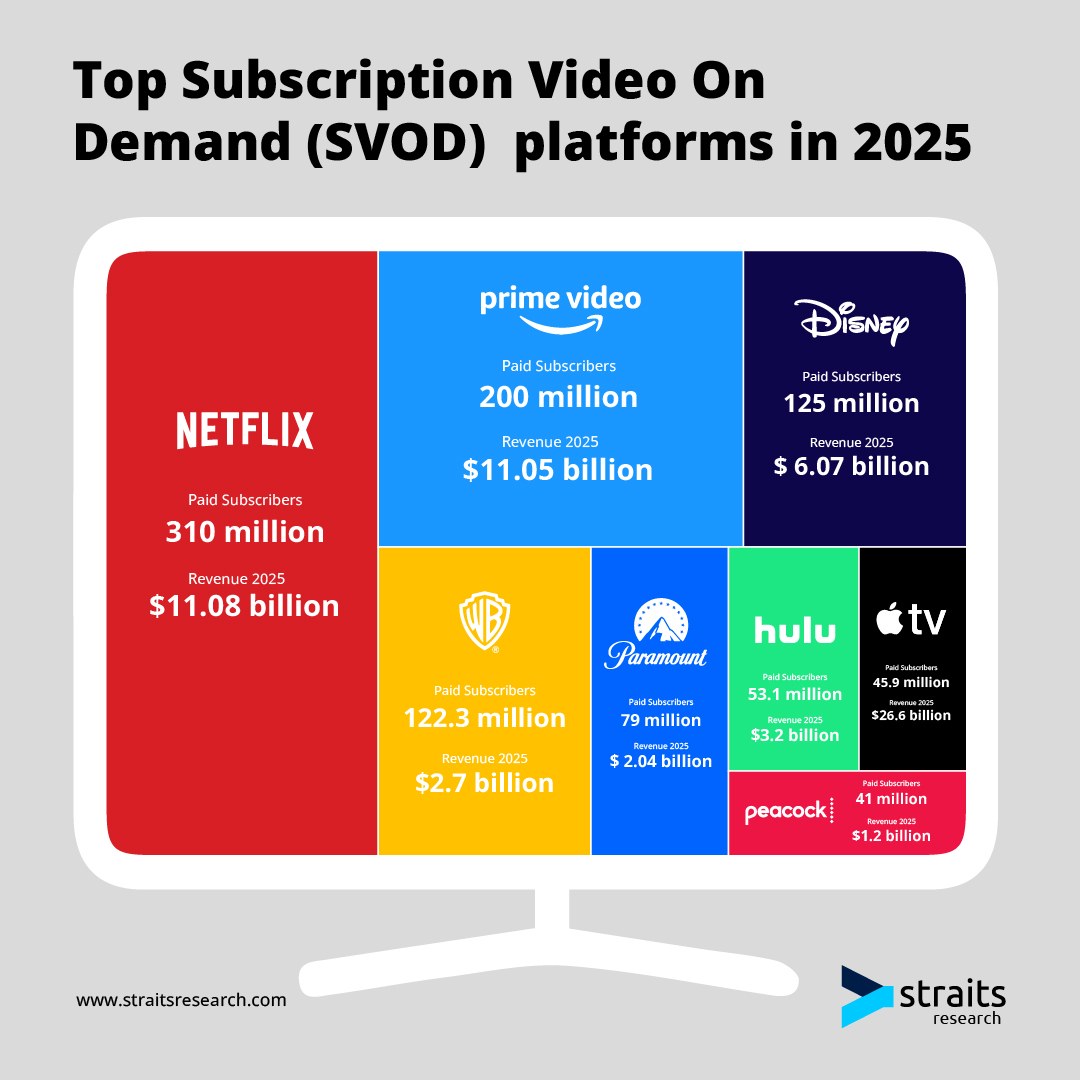
The Price Went Up Because You Didn't Cancel
Netflix, Spotify, Disney+, and half a dozen other subscriptions all quietly got more expensive this year. None of these companies coordinated. They didn't need to. They were all running the same calculation about how much inertia they could extract before you noticed.
 Opinion
The Social Network Told You a Story. You Just Forgot Someone Wrote It.
Ask most people under thirty how Facebook was founded, and they will tell you, more or less accurately, the plot of a 2010 film. Aaron Sorkin has said he did not care whether the events he depicted actually happened. Almost nobody experiences it as fiction anymore.
 Opinion
We Never Watched Gordon Gekko as a Warning
Wall Street was written as a warning. Gordon Gekko goes to prison, the protagonist who idolises him is left with nothing but regret, and none of it mattered, because the audience took the villain home and left the warning at the theatre.
 India / Fintech
UPI Didn't Formalize the Informal Economy. It Just Gave It a Paper Trail.
UPI has become the visual proof of a story India tells about itself: that digital payments pulled the informal economy into the light. On close inspection, that is not quite true. UPI made the informal economy visible. It did not make it formal.
 Opinion
We Read Freakonomics Wrong, and So Did Everyone Else
Freakonomics taught a generation that a clever enough economist could pull hidden truths out of any dataset. The book was not a fraud. The problem is subtler, and more interesting, because it is about what happens to an idea when you make it beautiful.
 Monthly RoundupVideo
The Fall of the Aid Economy: June 2026 Economic Roundup
Five major shifts happened in the global economy last month. Almost none of them made the front page. This June roundup covers the slow collapse of foreign aid, China quietly becoming a services economy, and three other mechanisms worth understanding.
 Business / Entertainment
The Ticket Is Not the Business: The hidden economics of India's music festival boom
When Coldplay played Ahmedabad in January 2025, ticket sales generated Rs 322 crore. The total economic impact came to Rs 641 crore. That gap between the two numbers is the entire story of how music festivals actually make money.
 Opinion
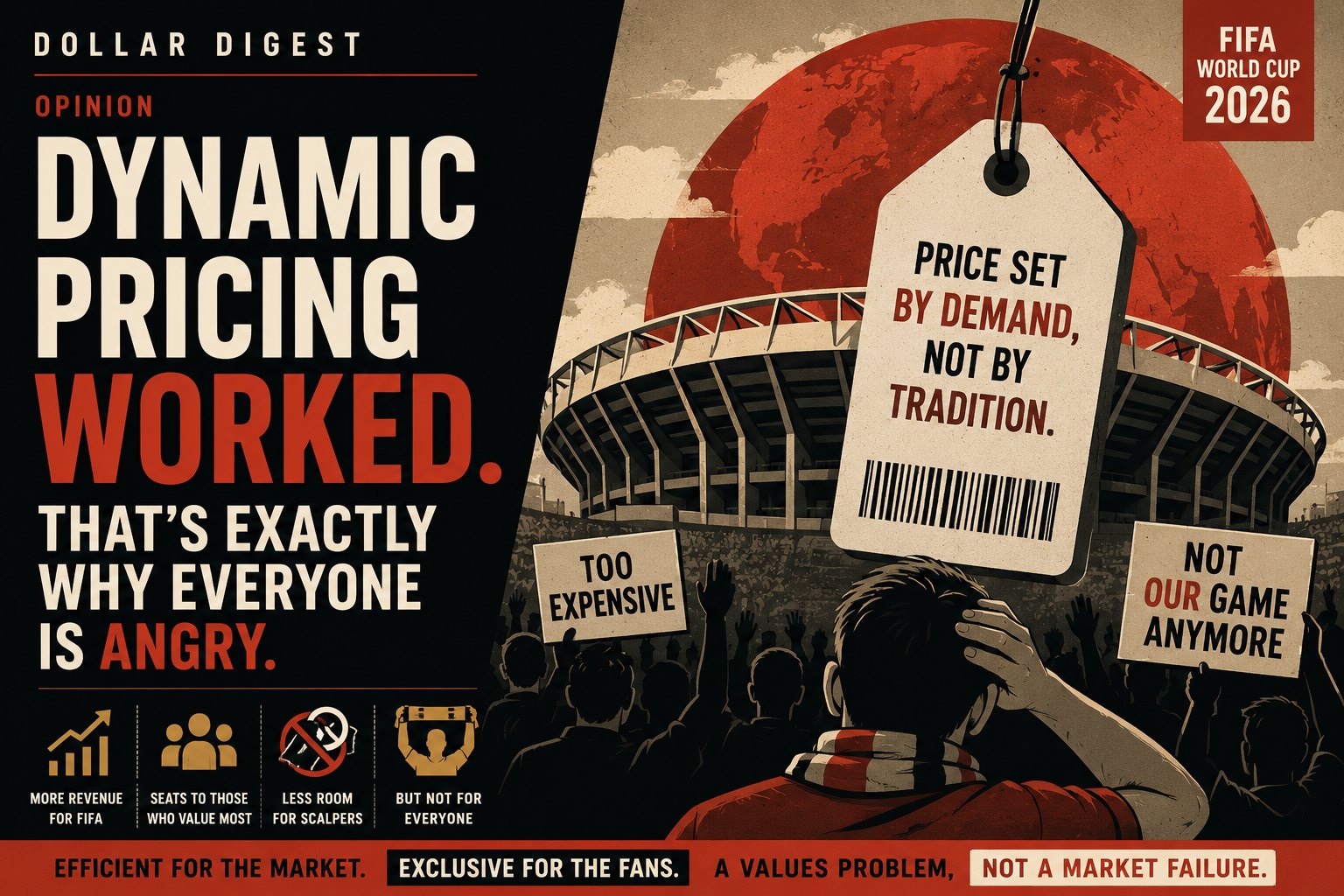
Dynamic Pricing Worked. That's Exactly Why Everyone Is Angry.
The 2026 World Cup sold out almost every seat in almost every stadium. FIFA called it a triumph. Fans called it a rip-off. Both are looking at the same number and reaching opposite conclusions, because they are arguing about two completely different things.
 Trade / Supply Chains
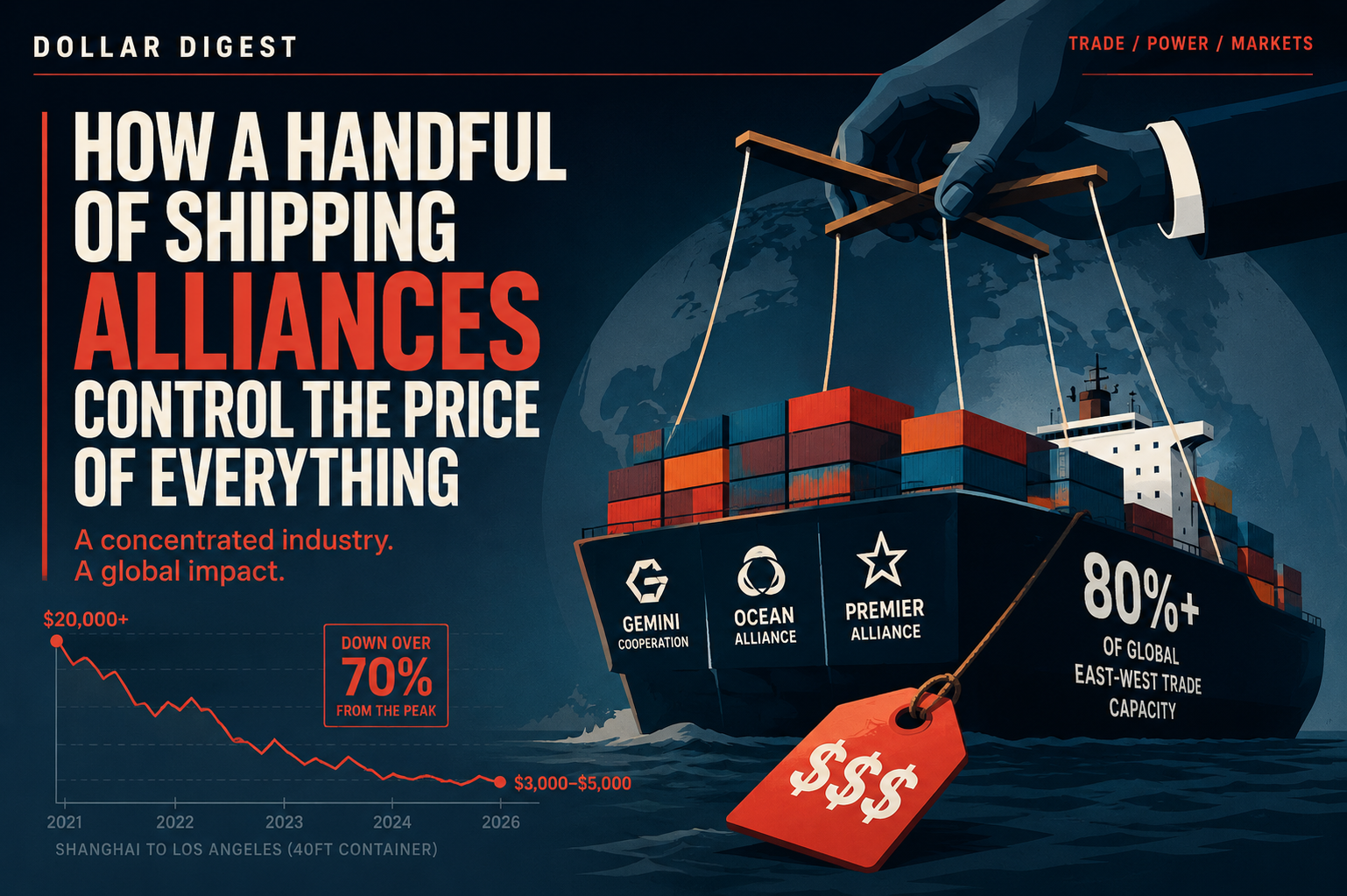
How a Handful of Shipping Alliances Control the Price of Everything
In early 2022, shipping a container from Shanghai to Los Angeles cost over $20,000. Today it is a fraction of that. The swing reveals how a handful of shipping alliances, operating a lot like OPEC, quietly set the price of moving almost everything.
 Opinion
Chicago Did the Math. Everyone Else Threw a Party.
Sixteen cities looked at the same numbers and said yes. One looked at them and said no. Chicago walked away from the 2026 World Cup, and the economic record suggests it made the only intelligent decision in the entire tournament.
 Currency / Culture
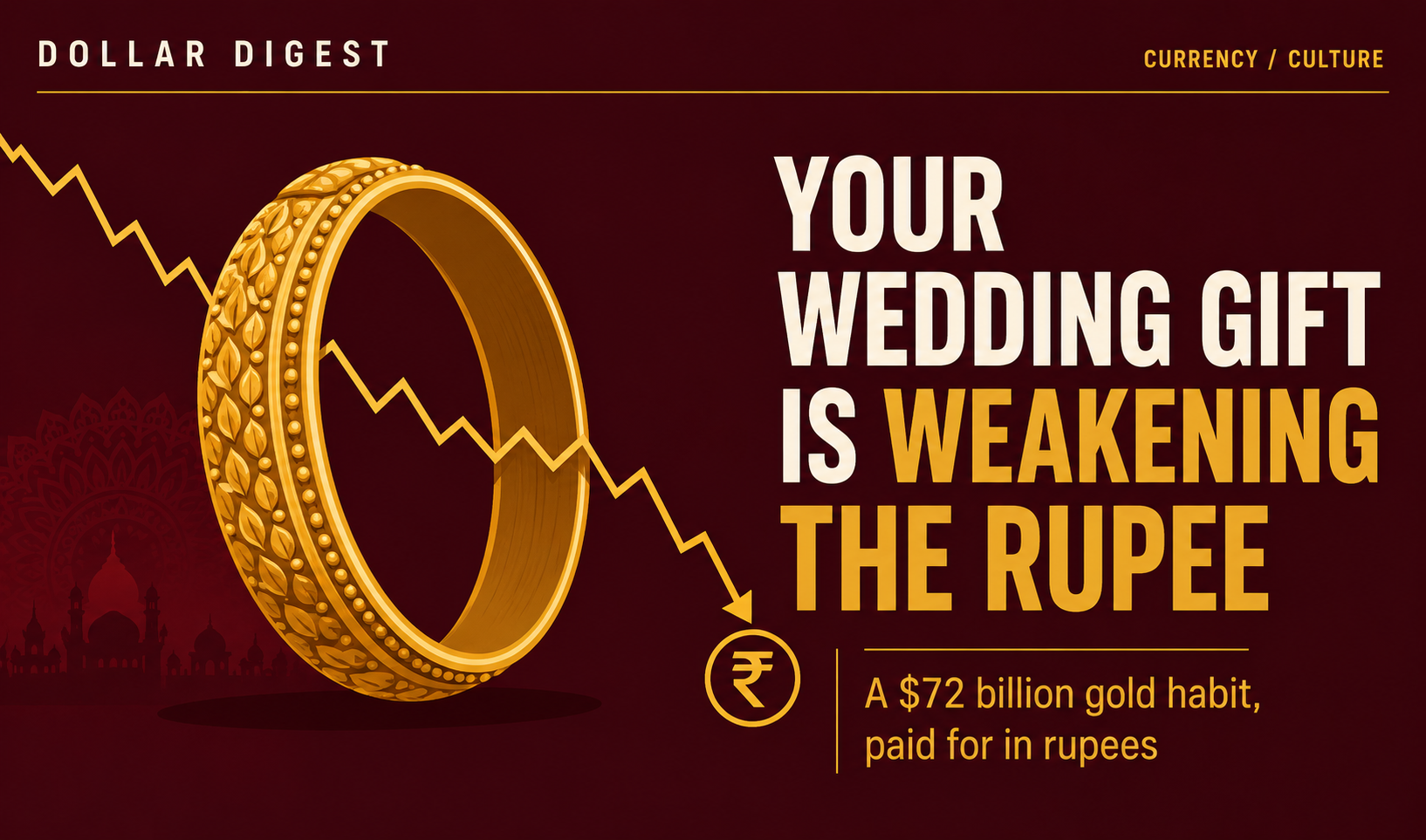
Your Wedding Gift Is Weakening the Rupee
Every November, something unusual happens to India's trade data. The merchandise trade deficit spikes. The rupee comes under pressure. And the cause, buried in the import numbers, is gold.
 Opinion
Margin Call Gets the Most Honest Line in Financial Cinema
Most financial crisis films are interested in the aftermath. The job losses, the foreclosures, the political fallout. Margin Call is interested in the eighteen hours before any of that happens, and that choice turns out to be far more revealing.
 Monthly RoundupVideo
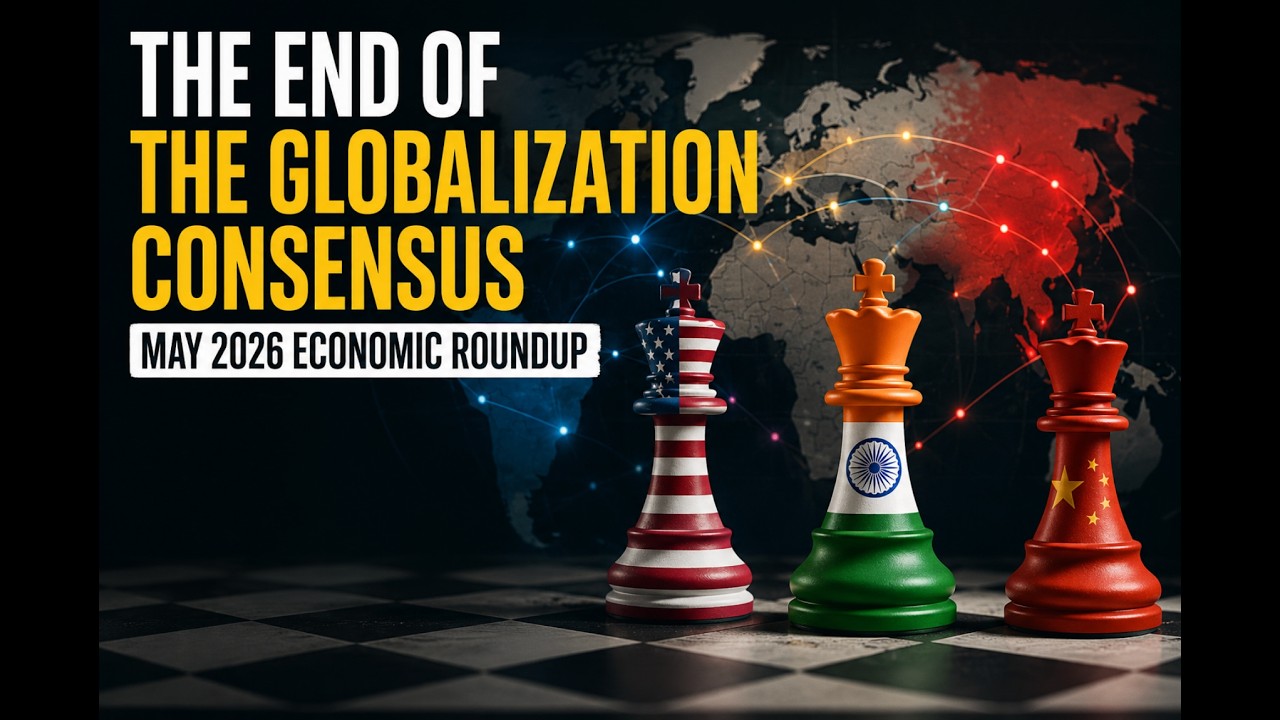
The End of the Globalization Consensus: May 2026 Economic Roundup
The rules that governed global trade for thirty years are being rewritten in real time. This May roundup covers what that shift actually means for prices, growth, and where capital is moving.
 Opinion
The Big Short Got the Villain Wrong
Most people come away from The Big Short with the same reading: Wall Street was greedy, regulators were asleep, and a handful of contrarians got rich by being the only ones willing to look at the data. That reading is not wrong. It is just not the film's most important argument.
 Policy
The Housing Crisis Starts Long Before a House Is Built
Housing has become the defining economic frustration for young people. This article argues that the housing crisis is no longer primarily a construction problem. It is increasingly a demographic problem that many governments failed to anticipate.
 Policy
The Real Tax Problem Isn't Taxes. It's Growth.
Governments do not raise taxes because they want to. They raise taxes because they run out of alternatives. Britain's tax debate is a symptom of a deeper problem facing much of the developed world.
 Global Economy
India's Oil Deals Are About More Than Energy
India's oil deals with the UAE and Russia are not just about securing fuel. They are part of a broader effort to reduce reliance on the US dollar and build strategic flexibility in an increasingly volatile world.
 Markets
The AI Boom Is Hiding Weakness in the Real Economy
Global stock markets are increasingly powered by one idea: artificial intelligence. The problem is that outside a small group of AI-linked companies, much of the real economy still looks weak.
 Monthly RoundupVideo
April Economic Roundup
April was not about slow shifts, it was driven by clear decisions that moved markets instantly.
 Tech and Markets
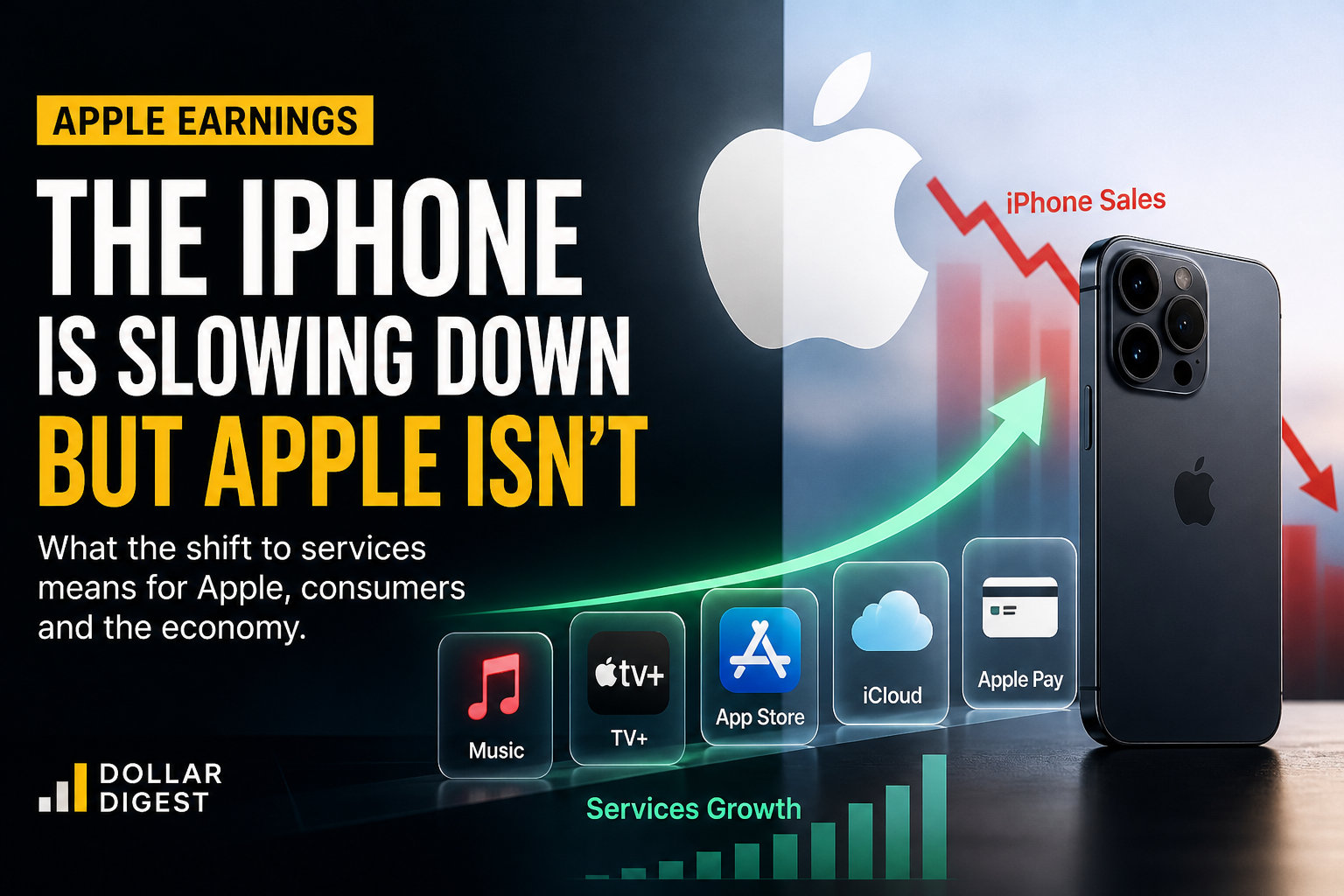
The iPhone Is Slowing Down But Apple Isn't
What stood out this time was not the slowdown in iPhones, but the strength of everything around it.
 Industry Analysis
Airline Profits Are Rising and It Says a Lot About the Economy
Consumer demand is not weakening uniformly. It is shifting toward services, enabling pricing resilience that may perpetuate sector-specific inflationary pressures.
 Geopolitics and Economy
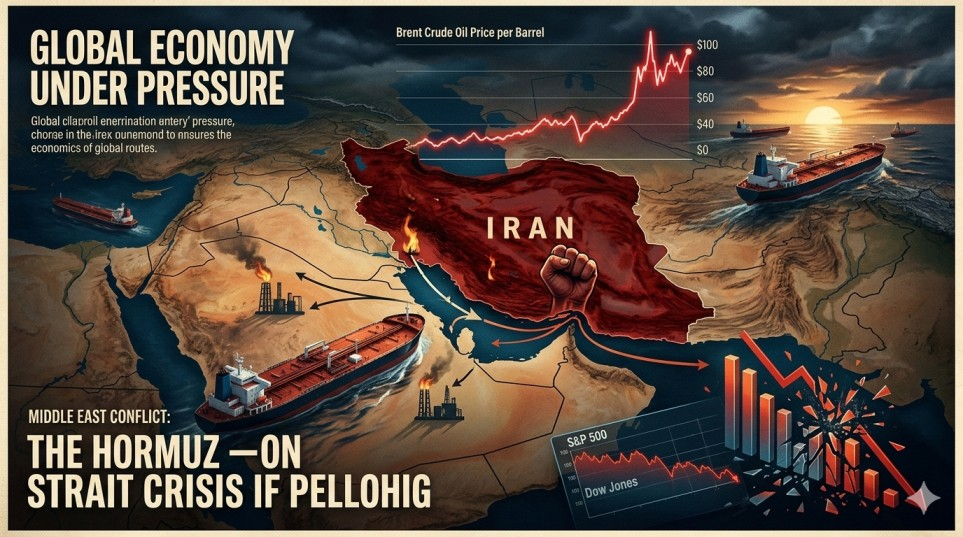
Iran's Economy Is Buckling Under War Pressure
Iran's economy is not only facing external pressure from geopolitical conflict, but also internal strain from disrupted supply, rising inflation, and weakening business activity.
 Global Trade
Global Shipping Costs Are Rising Again, And It Could Feed Inflation
Shipping costs have started to rise as disruptions to key maritime routes have forced companies to reroute their goods.
 Geopolitics and Economy
Europe Feels the Economic Impact of Middle East Tensions
Geopolitical tensions between Iran, Israel, and the US are affecting European energy markets and economic indicators in ways that go beyond the headlines.
 Monthly RoundupVideo
2026 So Far: Global Economic Recap (Jan to Mid March)
A video recap covering the major economic developments from January through mid-March 2026, including AI investment, energy markets, global debt, and Indian developments.
 Energy and Commodities
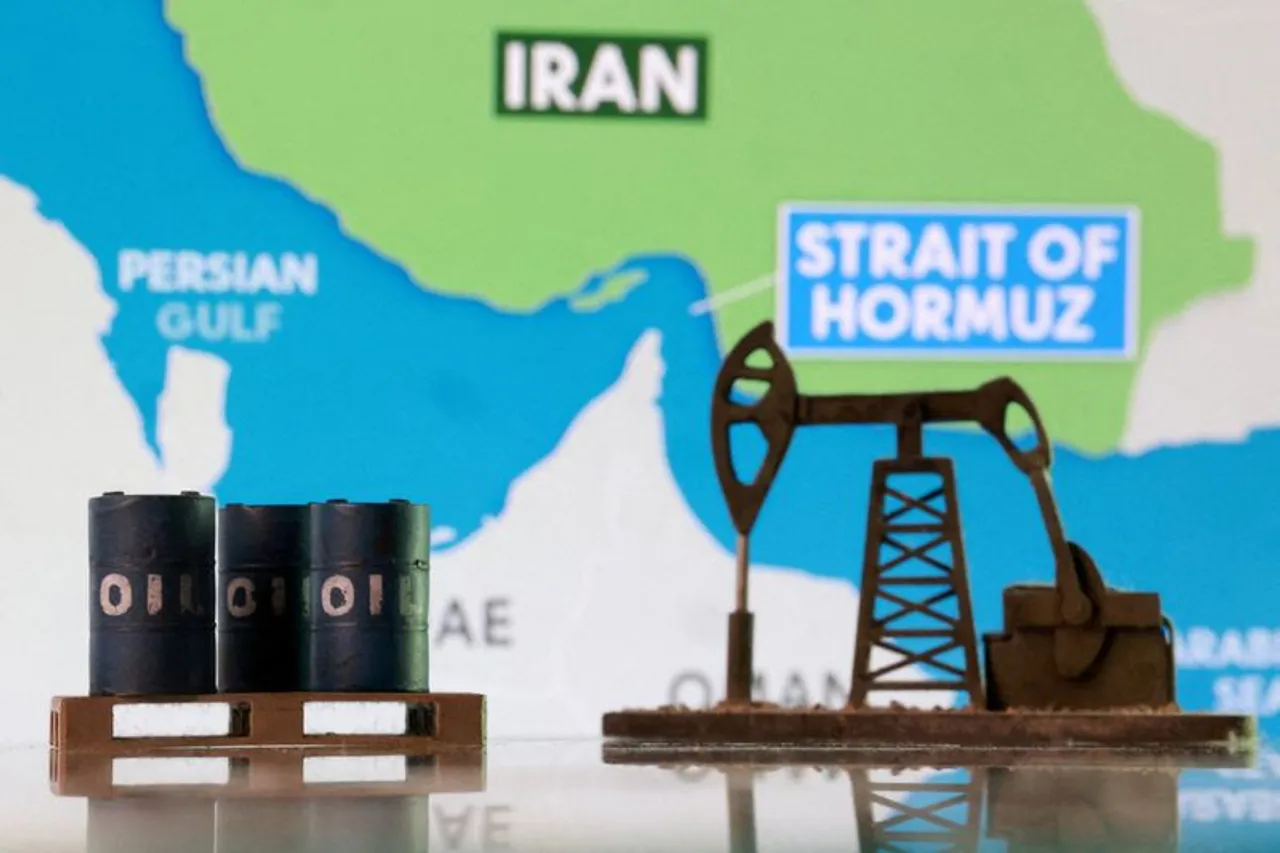
Oil Jumps as Middle East Conflict Raises Global Economic Risks
Oil prices rose sharply after news of attacks on Iranian energy infrastructure, bringing geopolitical risk back to the centre of economic attention.
 India and Global Economy
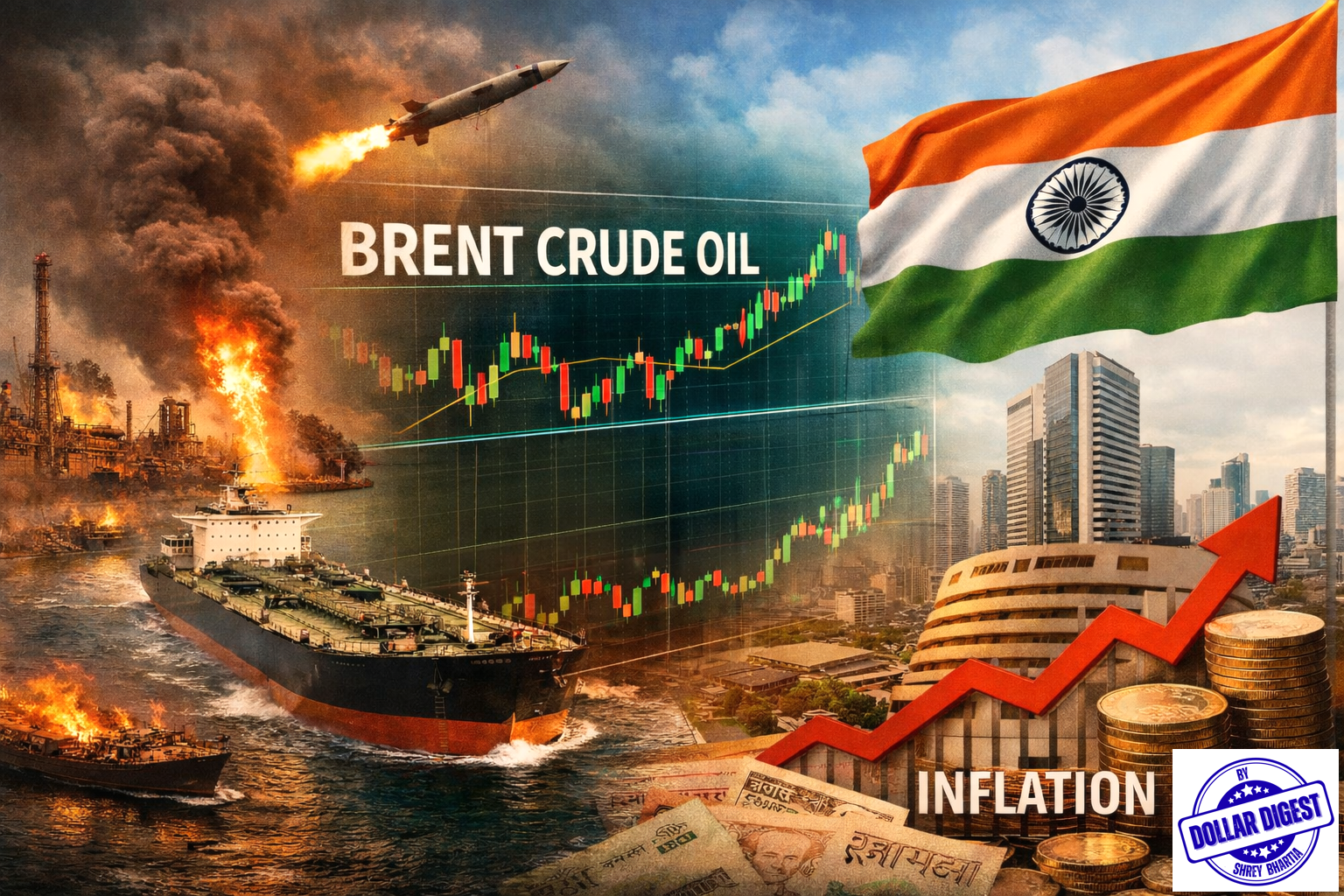
Why the Iran Israel Escalation Matters for India
The escalation between Iran and Israel creates specific and direct economic risks for India through oil prices, shipping costs, and remittances.
 Trade Policy
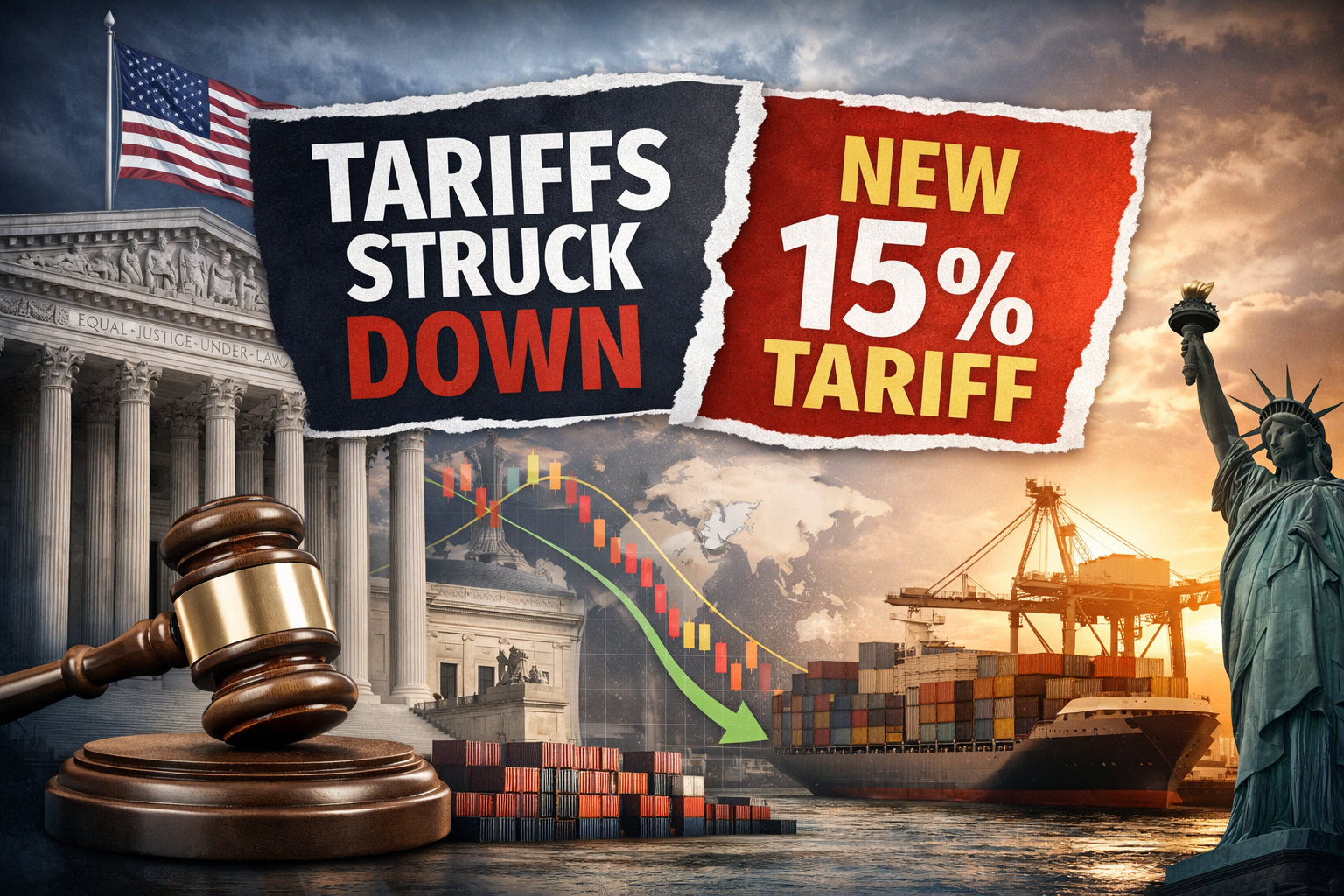
The Legal Battle Behind America's Tariffs
A Supreme Court decision on February 20 invalidated most broad global tariffs, highlighting ongoing uncertainty in US trade policy.
 Global Finance
The Dollar's Slide and the Possible Shift in Global Power
The dollar has always been the steady backbone of the international economy. This week, however, the backbone begun to sway.
 India and Global Economy
India's Budget Chooses Stability Over Spectacle
India's latest Union Budget does not attempt to create excitement. It reflects a preference for continuity and restraint, and that choice matters.
 Labour Markets
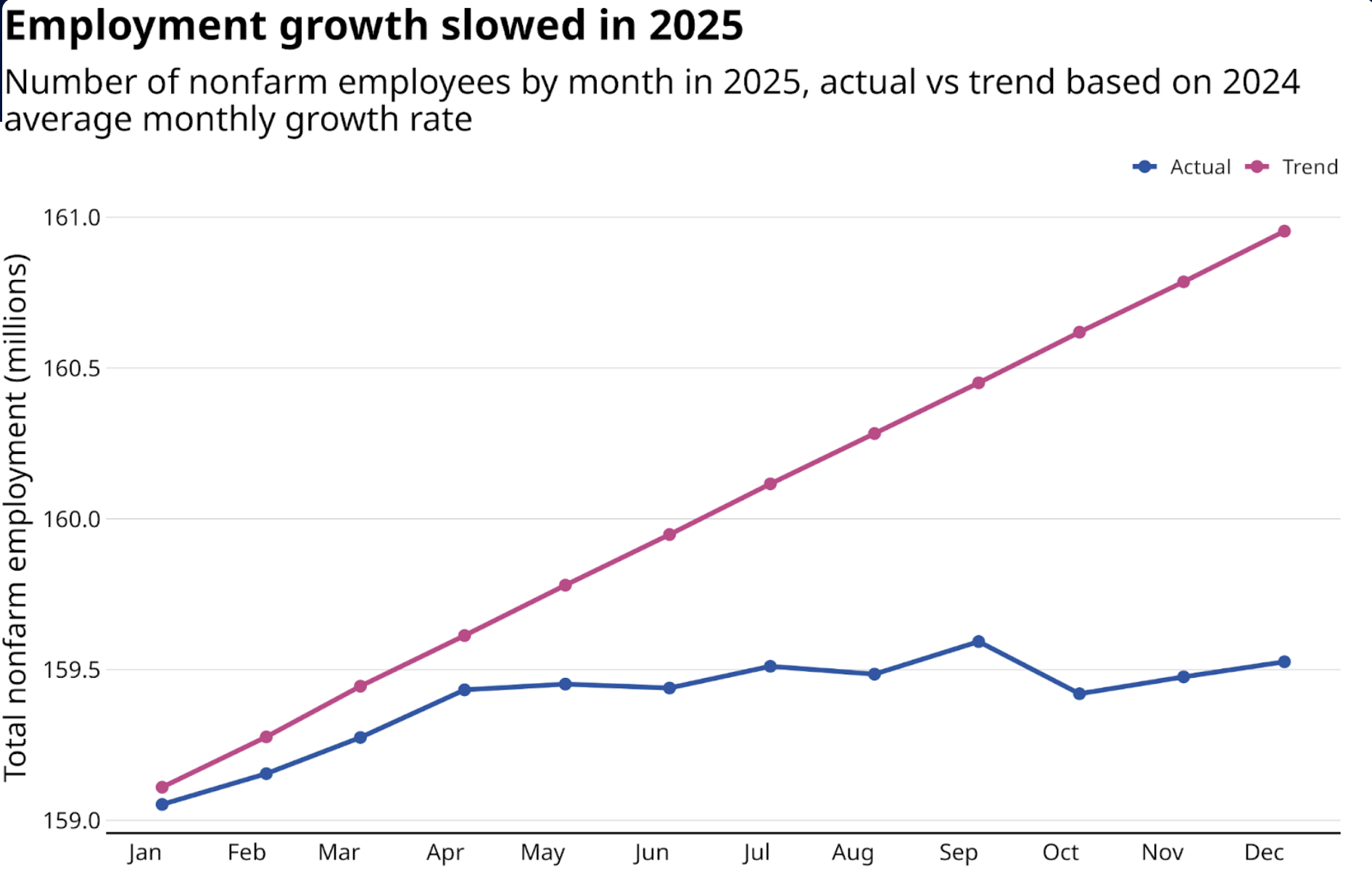
What Slowing Job Growth Really Signals for the Economy
Slowing job growth can reflect economic balance rather than weakness, and markets are beginning to understand the difference.
 Energy and Commodities
The Surprising Reason Oil Markets Are Ignoring Geopolitical Risk
Despite tensions in key regions, crude prices softened as markets weighed demand expectations alongside supply concerns.
 India and Global Economy
Why Indian Markets Lagged While the World Rallied
While US and European markets climbed on positive jobs data, Indian indices faced headwinds from local volatility, expensive valuations, and foreign investor outflows.
 India and Global Economy
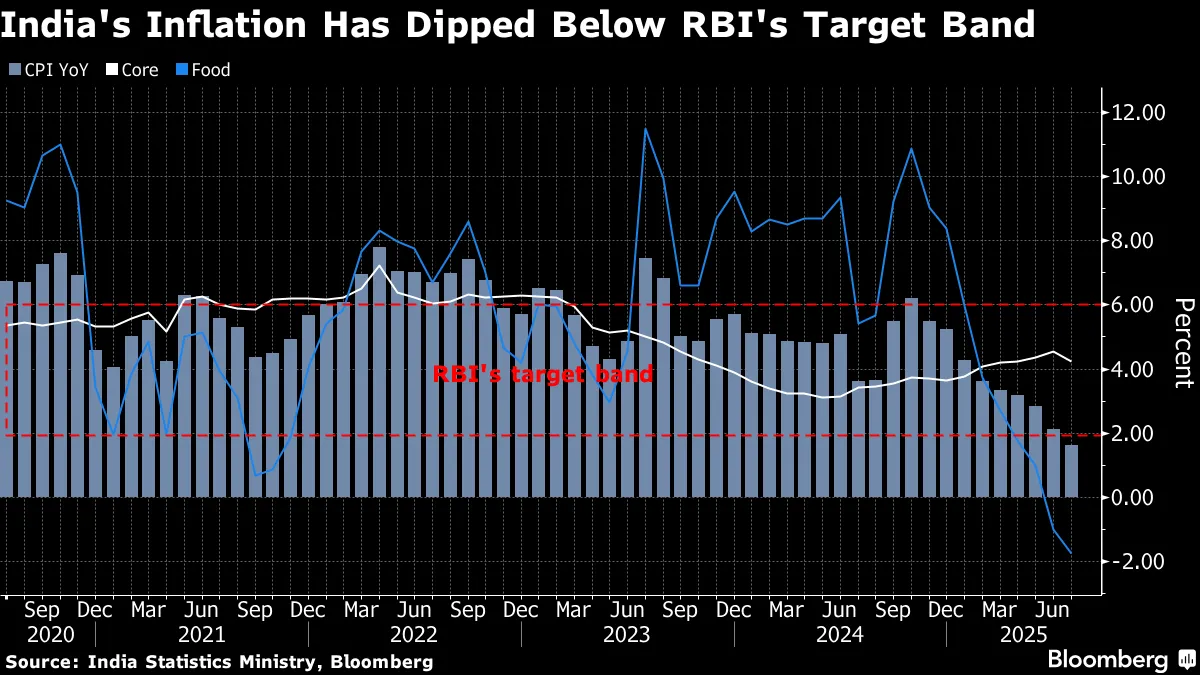
Why India Doesn't Want to Mess With Its 4 Percent Inflation Target
India is expected to maintain its current inflation framework as the review approaches in March 2025, citing its effectiveness over the past decade.
 Monthly RoundupVideo
December Economic Roundup
A video compiling the five major December economic developments to help you develop a deeper understanding of the global economy.
 India and Global Economy
India Ends 2025 in a Goldilocks Moment
Growth remained strong and inflation came down at the same time. For policymakers, this is the best possible outcome.
 Global Finance
Japan's Historic Rate Hike Fails to Lift the Yen
The Bank of Japan raised rates to 0.75%, the highest since 1995, yet the yen weakened rather than strengthened as historically expected.
 Global Trade
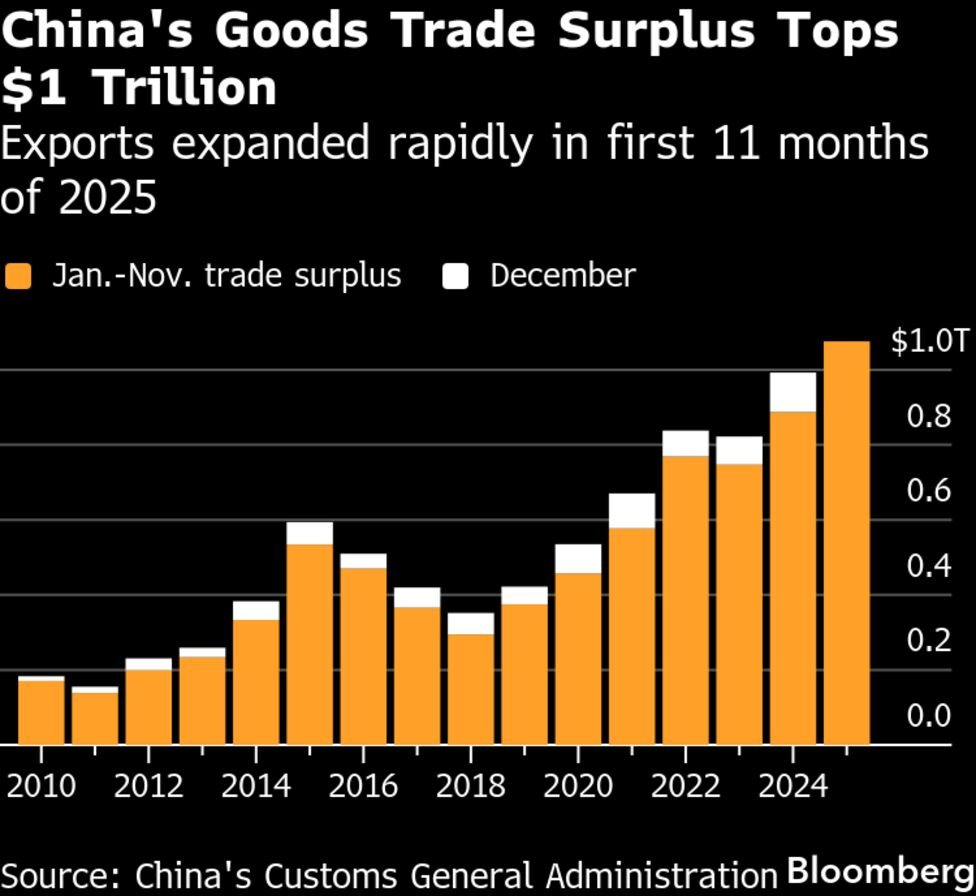
China's $1 Trillion Trade Surplus Is a Warning Sign, Not a Victory
Despite a massive trade surplus, weak domestic demand reveals a fundamental imbalance as exports flood global markets at a time of rising protectionist pressure.
 India and Global Economy
Growth Forecast Rises to 7.3% as India's Economy Gains Momentum
The RBI elevated its growth projection to 7.3%, driven by 8.2% GDP growth in Q2, with manufacturing, services, and agriculture all contributing meaningfully.
 Financial Markets
Global Markets Slip as Tech Stocks Cool and China Shows Signs of Slowing
Two distinct events dented investor confidence: a broad tech sell-off and fresh signs that China's economy is faltering, pushing global markets lower for the week.
 US Economy
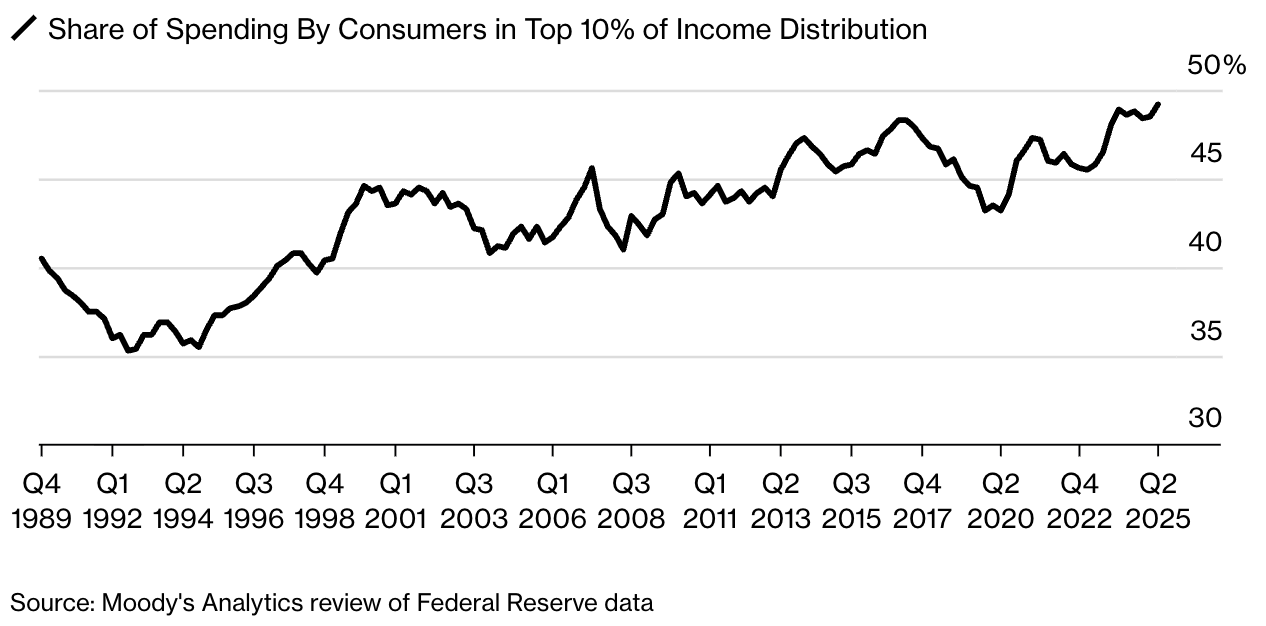
America's Economic Boom Masks a Growing Divide
The US economy looks strong on the surface, but nearly half of all consumer spending comes from the wealthiest 10 percent, masking real strain for millions of families.
 US Economy
America's Job Jitters Push the Fed to Cut Rates
The US Federal Reserve cut rates by 25 basis points to 3.75-4%, prioritising a stalling labour market over inflation concerns for the first time in this cycle.
 Monthly RoundupVideo
October Economic Roundup
A video recap of the 5 biggest economic stories from October 2025 that you might have missed, explained in clear and simple terms.
 Geopolitics and Economy
West Turns Up the Heat: US and EU Sanction Russia's Energy Empire
The US and EU jointly targeted Russia's oil and gas industries with sweeping sanctions, marking a major escalation in economic pressure over the Ukraine conflict.
 Energy and Commodities
Oil's Sharp Drop: What's Behind the Global Price Slump?
Oil prices hit five-month lows as the IEA forecast a supply surplus of 4 million barrels per day by 2026, compounded by US-China trade tensions weighing on demand.
 Global Trade
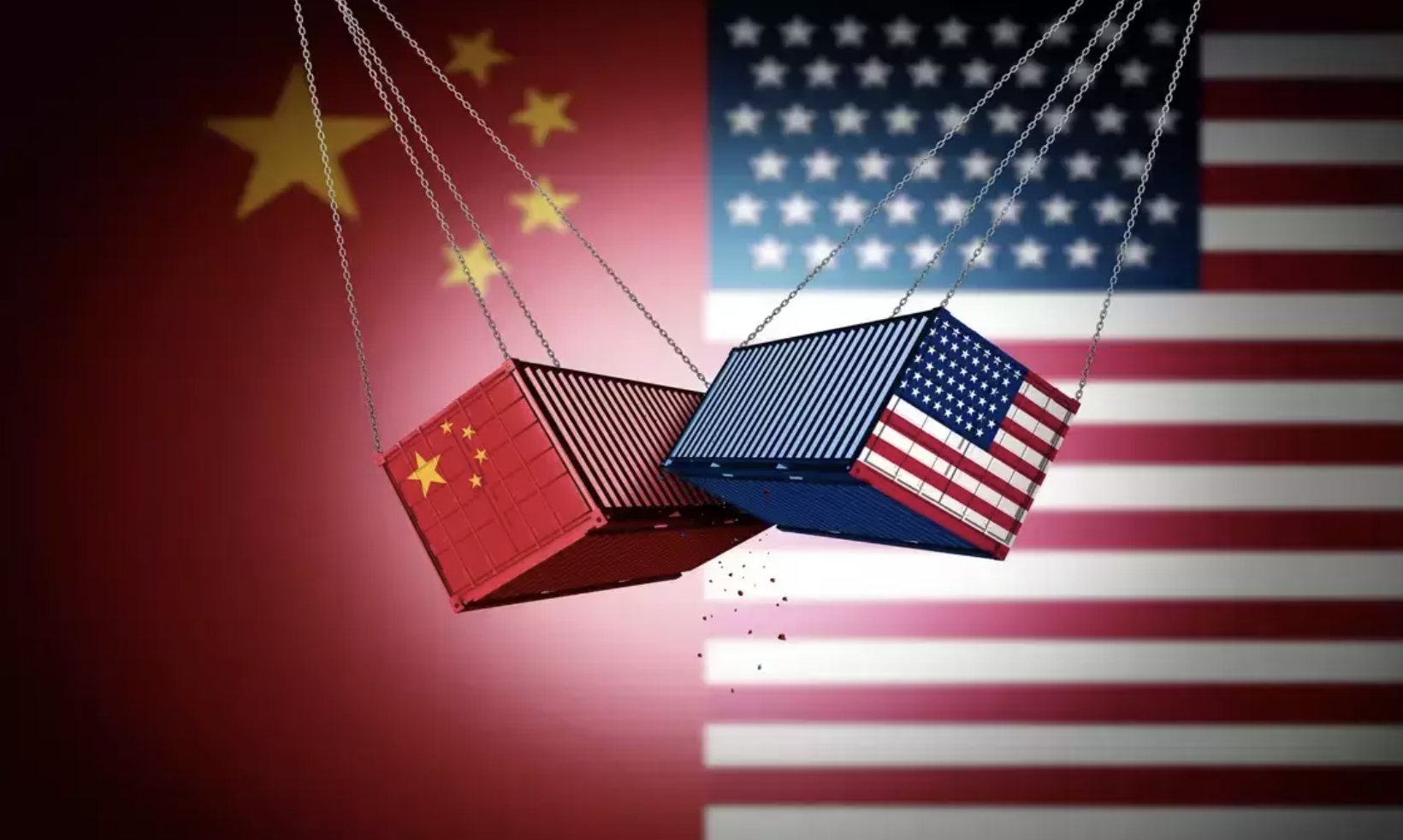
US-China Trade Clash Opens Doors for India's Manufacturing Boom
As the US raises tariffs on Chinese goods to nearly 130%, India stands to gain as importers seek alternatives, especially in engineering goods, electronics, and textiles.
 Global Finance
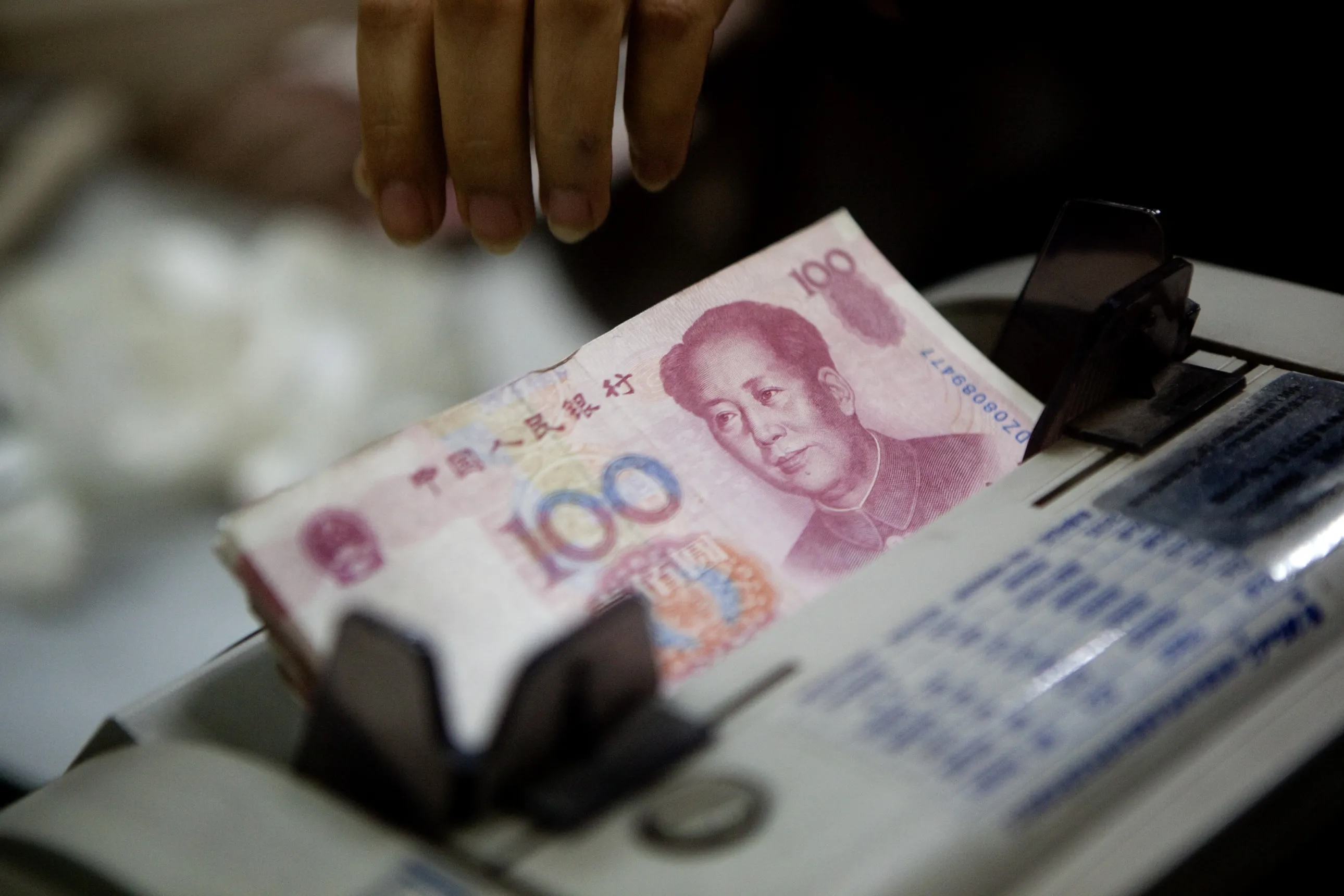
The Yuan's Rise and What It Means for Emerging Economies
China's yuan has risen 2% this year after three years of decline, and its growing correlation with emerging market currencies is reshaping the dynamics of global finance.
 Policy
India Just Cut GST. The Bigger Bet Is on Consumption
India has just made one of its biggest changes to the Goods and Services Tax since its introduction. The headline is tax simplification. The economic argument is consumption.
 Trade / Supply Chains
India's Exporters Just Lost Their Cheapest Market
For Indian exporters, the US market has suddenly become much more expensive. A tariff hike to 50 percent is forcing thousands of small businesses to look for new markets.
 Global Finance
Global Growth Survived the Tariff Shock. That Does Not Mean It Won
The global economy has proved more resilient to the 2025 trade shock than many expected. But resilience and strength are not the same thing.
 Trade / Supply Chains
The World Economy Is Learning to Live With Tariffs
The global economy entered 2025 expecting tariffs to cause a major slowdown. Six months later, the damage is more complicated: businesses have not stopped trading, they have changed when and where they trade.
 Policy
The Fed Is Stuck Between Inflation and Growth
The Federal Reserve has a problem that no interest-rate decision can solve cleanly: the policies threatening US growth are also threatening to push prices higher.
 Global Finance
The Global Economy Just Lost Its Safety Cushion
The global economy is not in recession. But the World Bank has just delivered a warning that may matter almost as much: the world is heading toward its weakest growth outside a global recession since 2008.
 Trade / Supply Chains
The US-China Trade War Just Discovered Its Ceiling
The US-China trade war has produced some enormous numbers in 2025. But the most important number may be the one both countries just decided to reduce: their tariffs.
 Policy
The Tariff Shock Is Bigger Than a Trade Dispute
The most important number from Donald Trump's new tariff announcement is not any single country's tariff rate. It is the fact that the United States has moved much closer to treating tariffs as a central instrument of economic policy.
 Global Finance
China Wants 5% Growth. The Problem Is Getting Consumers to Spend
China has set itself a familiar target for 2025: around 5% economic growth. The harder part is achieving it without relying too heavily on exports and government spending.
Structured Pathways
Learning Tracks
Rather than reading whatever is newest, these tracks organise the articles into a sequence. Start with a topic, follow the path, and you will end up with a more coherent understanding than you would from reading at random.