
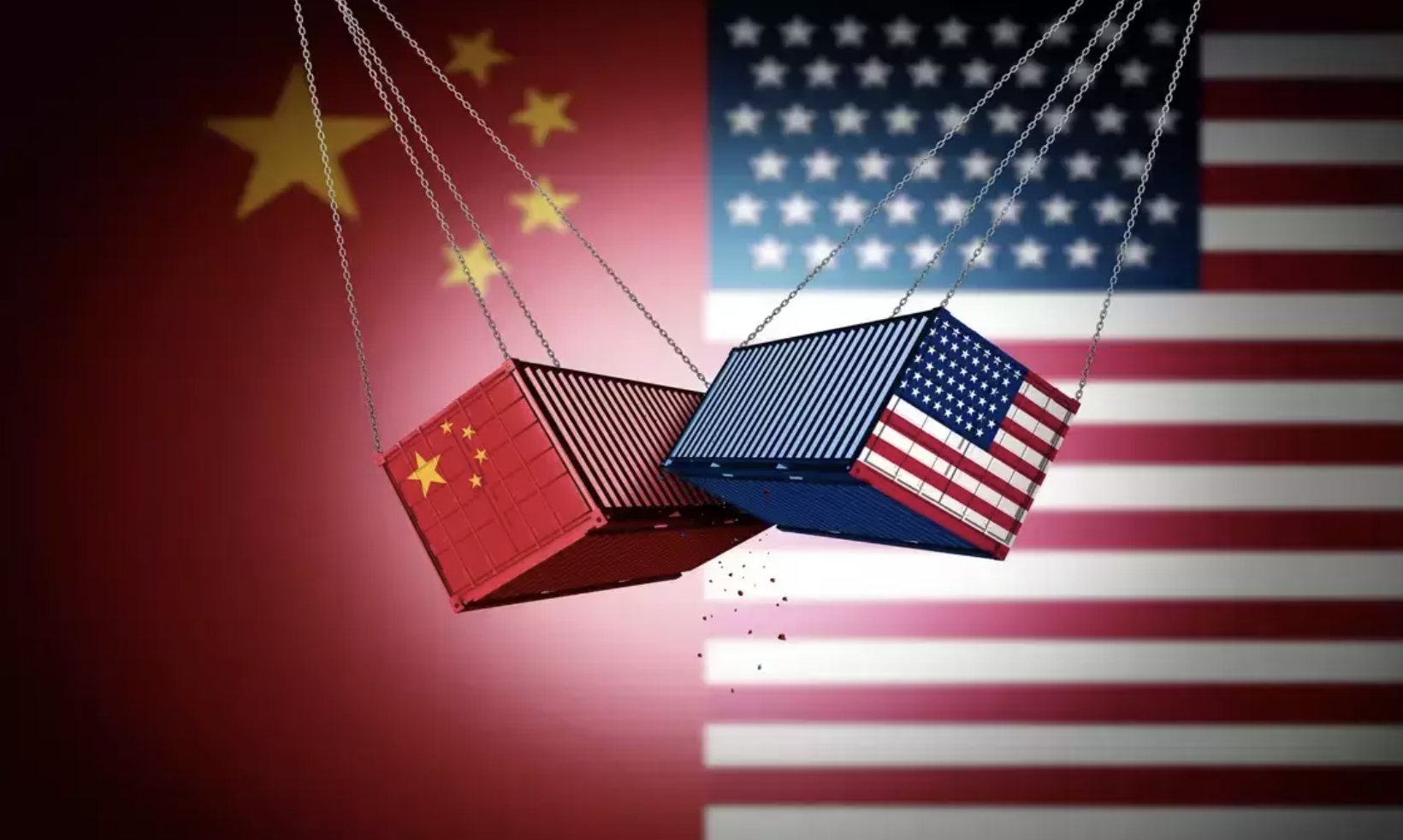
The United States announced plans to raise tariffs on all Chinese goods by 100 percent, starting November 1. America's decision came after China imposed export controls on rare earth minerals critical for renewable energy, electric vehicles, and defence sectors. Overall tariffs on a variety of Chinese imports will rise to almost 130 percent. This may create new avenues for India as firms and nations seek alternatives to Chinese manufacturing.
India Stands to Gain
As Chinese exports become costlier, Indian exporters can expect more customers in the US. Indian-made products like engineering goods, auto spare parts, electronics, textiles, and machinery are likely to see a surge in demand as importers in the US reduce their reliance on Chinese manufacturers. India's expanding manufacturing base, political stability, and cost advantages make it an appealing choice for international buyers. Government initiatives such as the Production Linked Incentive scheme are already promoting domestic production and exports.
Challenges Remain
However, India will also face challenges. Since India sources the majority of minerals used in the EV industry from China, the newly imposed export controls will decrease the volume of rare earth minerals available to Indian manufacturers. India will have to enhance its domestic manufacturing base for chips, battery components, and rare earth materials to counter this dependency. Government-private sector collaboration will be crucial in developing these industries quickly enough to take advantage of the opportunity.
The Broader Opportunity
Simultaneously, trade tensions are driving other countries to diversify their supply chains and cut their dependence on China. This presents India with the opportunity to play a greater role in global manufacturing. With its large labour force and improving infrastructure, India is emerging as a hub of choice for businesses seeking new production bases.
India stands to benefit from changing global supply chains as the US raises tariffs on Chinese goods. If India makes the right investments in manufacturing and mineral resources, it can convert this trade disruption into a long-term economic gain.