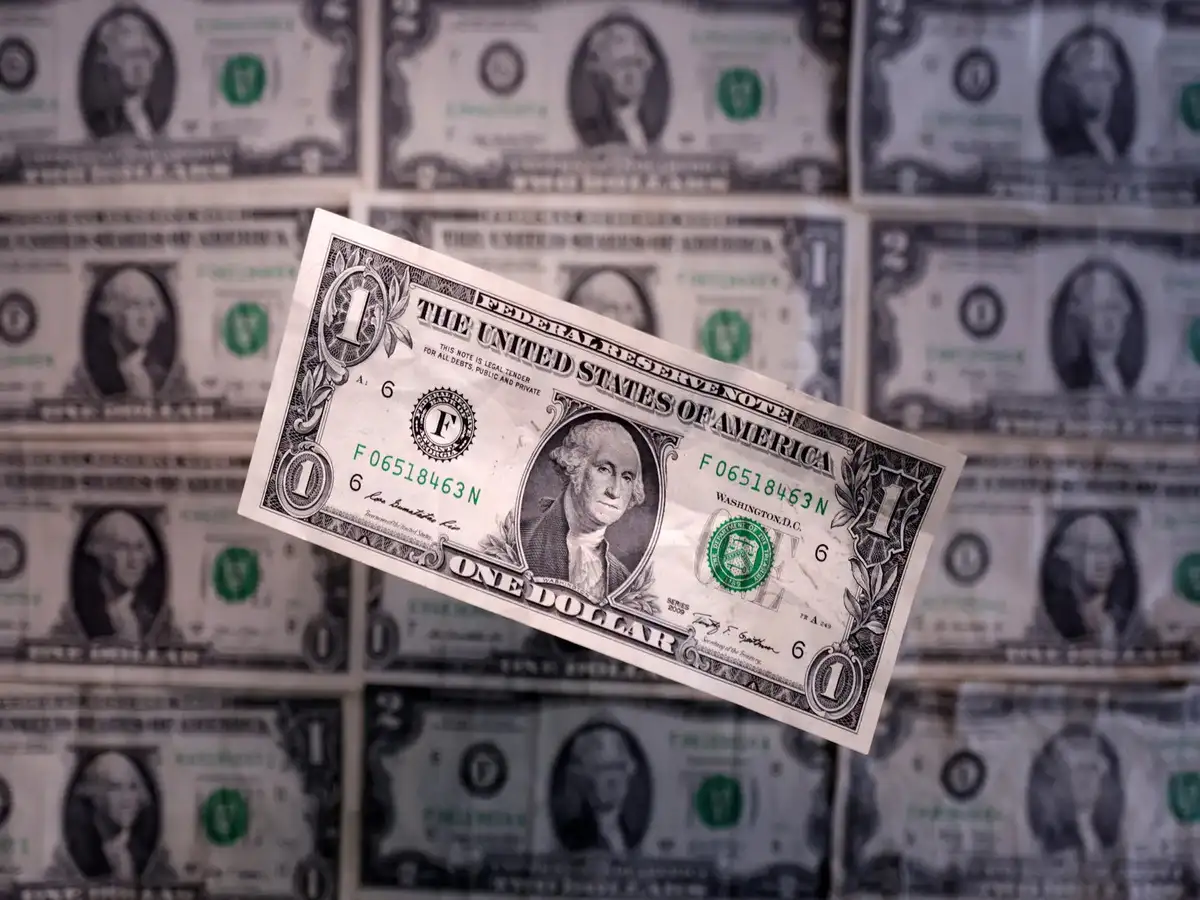
The dollar has always been the steady backbone of the international economy. This week, however, the backbone begun to sway.
The United States dollar has been falling against major currencies, especially the euro and the Chinese yuan. At first glance, currency fluctuations are a normal occurrence. However, when the world's leading reserve currency begins to fall at the same time that Europe and China are pursuing an aggressive strategy to increase their financial power globally, it is certainly worth noting.
For the better part of the last two years, the dollar has been bolstered by high interest rates in the United States. Higher interest rates mean that foreign investors can earn more money by investing in dollar-denominated assets. This increased demand pushed the dollar higher. However, markets are increasingly factoring in the possibility of interest rate cuts later this year. When returns are lower, capital flows change. The dollar's advantage begins to erode.
However, the euro has also received renewed support. Economic indicators in various regions of the euro zone have stabilized, and there are signs of a coordinated policy on industrial and fiscal policies. Confidence cannot change overnight, but currency markets change rapidly when relative momentum shifts. If investors view Europe as stable while the United States is poised to loosen monetary policy, exchange rates will reflect this shift.
The story of the Chinese yuan is a little different. The strengthening of the yuan is not market-led. It is a carefully planned move. China has been increasing the use of the yuan in international trade settlements, establishing bilateral currency swap agreements, and encouraging countries to diversify their currency holdings. Every new agreement to settle trade outside the dollar weakens dependence on it. This is a gradual process, not a radical one, but it represents a long-term plan to globalize the currency.
So what does a weaker dollar mean? For the United States, it means that it can make its exports more competitive because its goods will be cheaper in foreign currency terms. But it also makes imports more expensive, which can contribute to inflation if it persists. For the emerging markets, a weaker dollar is usually a welcome development. For countries that have dollar-denominated debt, it becomes easier to pay off the debt when the dollar depreciates.
It is also important not to exaggerate the development. The fact is that the dollar remains the dominant currency in terms of reserves and trade invoicing. Its network effects are strong and very deep-rooted. But currency markets are looking forward. They are often driven by expectations of policy, growth, and geopolitical power before these trends actually emerge.
The truth is that it is not about a sudden collapse. It is about relative positioning. If Europe can improve its institutional credibility and China can steadily increase the use of the yuan, even small changes in the global currency allocation can add up over time.
The dollar is not going away. But for the first time in a while, it is facing some competition. And in global finance, even small shifts in confidence can reshape power dynamics.
The dollar's decline shows that global currency dominance is not permanent and depends on relative policy credibility and economic strength.