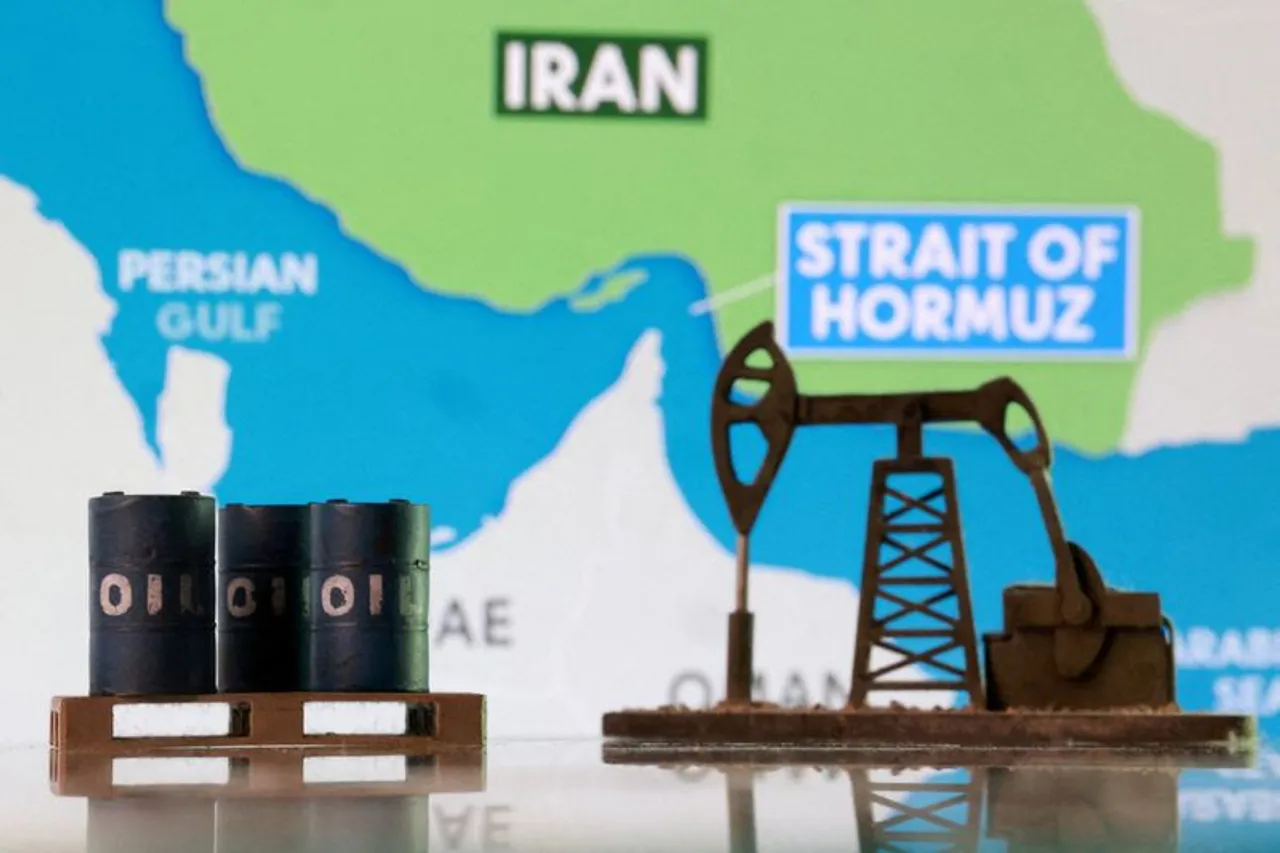
Oil prices rose sharply after news of attacks on Iranian energy infrastructure, bringing geopolitical risk back to the centre of economic attention. What happens in the Middle East does not stay in the Middle East, and energy markets are the clearest demonstration of that reality.
The Strait of Hormuz Is Central to This Story
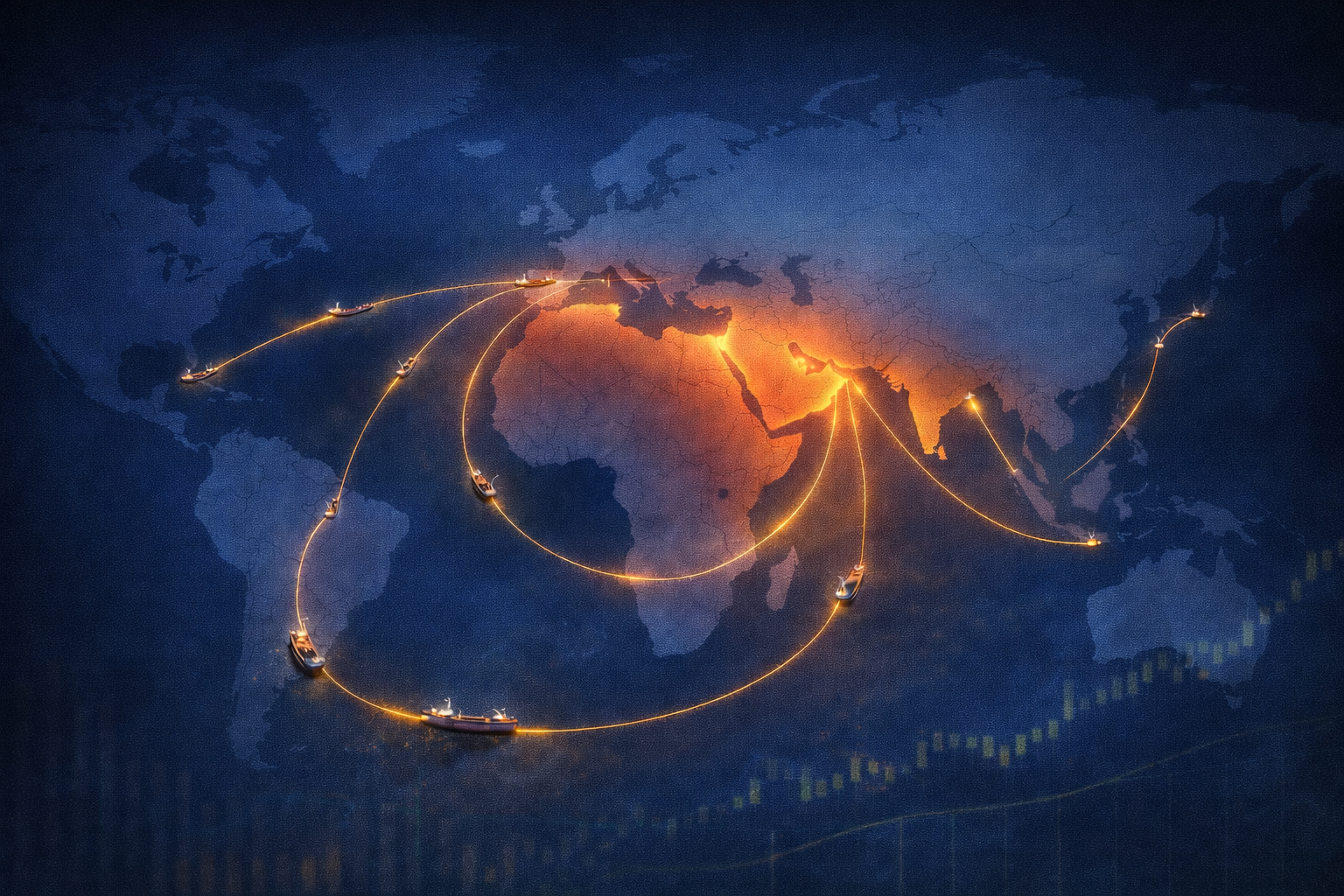
Approximately one-fifth of all globally traded oil passes through the Strait of Hormuz. Any credible threat to that corridor sends immediate signals through futures markets. Traders do not wait for actual disruptions. Uncertainty becomes a catalyst for price action, and the possibility of supply interruption is enough to push prices higher before any physical impact materialises.
What Higher Oil Prices Mean
Energy costs ripple through the entire economy. When oil rises, transportation becomes more expensive, manufacturing costs increase, and consumers pay more at the pump. For central banks already trying to bring inflation down, renewed oil price pressure is unwelcome. It can delay rate cuts and extend the period of restrictive monetary policy.
For energy-importing nations like India, which sources over 80% of its crude from abroad, the economic consequences are direct. A sustained increase in oil prices widens the trade deficit, puts pressure on the currency, and can reignite domestic inflation.
Markets Seek Safety
During periods of geopolitical uncertainty, capital tends to flow toward safe-haven assets. The dollar and gold both saw increased demand as the conflict escalated. Equity markets in regions more exposed to Middle Eastern energy supply showed greater volatility, reflecting investor caution about the risk of a broader disruption.
Despite advances in renewable energy, the global economy remains closely tied to the stability of oil supply. This episode is a reminder that until that dependency meaningfully diminishes, geopolitical events in oil-producing regions will continue to carry significant economic weight.
The global economy remains closely tied to the stability of oil supply, and geopolitical events in oil-producing regions will continue to carry significant economic weight.