
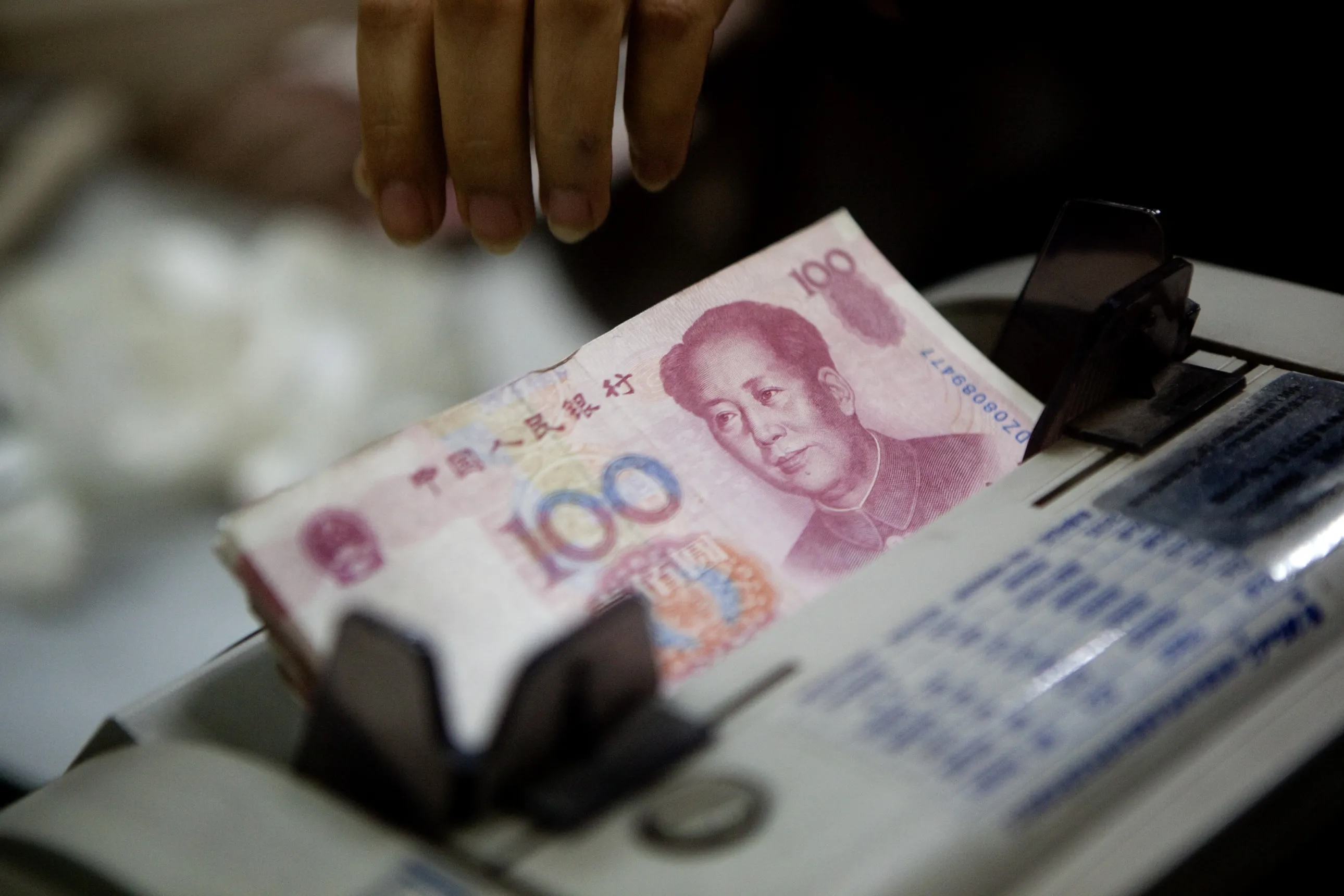
China's yuan has strengthened by approximately 2 percent this year against the US dollar, reversing three years of steady decline. While this movement may appear modest, its implications for emerging economies such as India, Brazil, and Mexico are increasingly significant. Currency markets are beginning to reflect a shift in relative economic momentum that deserves attention.
The Correlation Is Growing
One of the more notable developments is the strengthening correlation between the yuan's movements and those of emerging market currencies. As the yuan rises, many EM currencies tend to follow. This pattern reached year-high levels in recent months, suggesting that global investors are increasingly treating the yuan as a signal for broader emerging market sentiment. When confidence in China's economy rises, it lifts the outlook for the developing world more broadly.
Benefits for Emerging Markets
A stronger yuan can provide genuine benefits for emerging economies. It reduces the pressure on their own currencies to depreciate against the dollar. It also gives central banks in countries like India and Brazil slightly more room to adjust monetary policy without triggering capital outflows. For nations that trade heavily with China, a stronger yuan makes Chinese imports more expensive and can improve their own trade competitiveness.
The Risks Are Real Too
However, the yuan's rise comes with important caveats. Beijing maintains tight control over its currency, meaning the strengthening is managed rather than purely market-driven. This creates dependency on Chinese policy decisions that emerging market policymakers cannot control. Additionally, any escalation in US-China tensions could reverse the yuan's gains rapidly, pulling emerging market currencies down with it.
The yuan is not replacing the dollar as the world's dominant reserve currency. But its growing influence as a signal for global risk appetite means that emerging market economies can no longer treat it as irrelevant to their own financial stability.
Yuan prominence could strengthen emerging markets but also create new dependency on Beijing's policy choices, making it a double-edged development for developing economies.