Trade Routes Are Being Disrupted
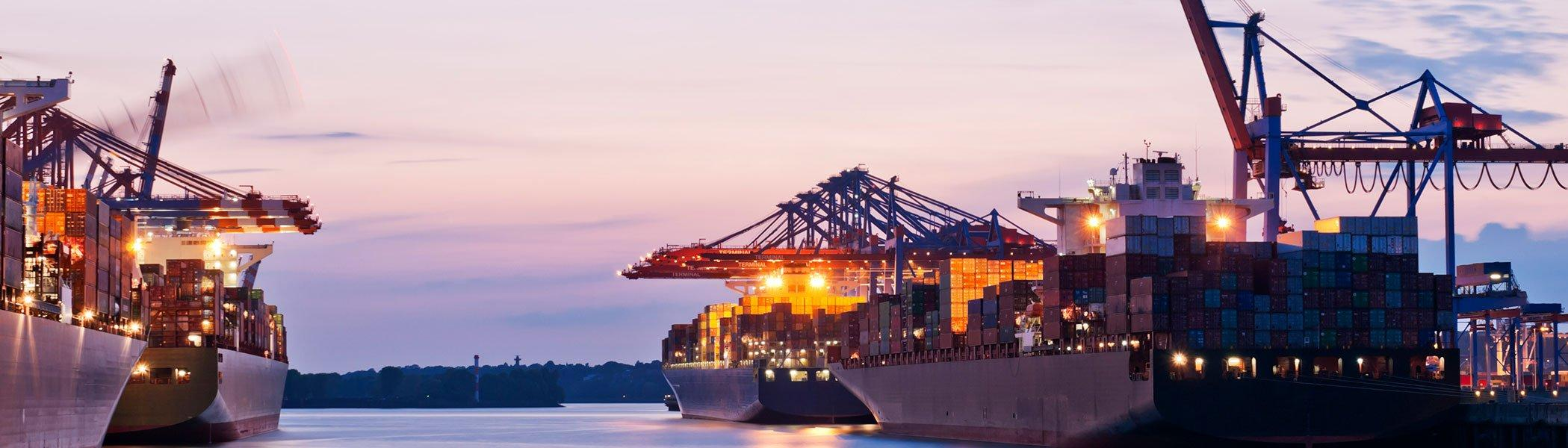
Global supply chains face mounting pressure as shipping costs climb. Instability in the Red Sea has forced companies to reroute cargo around the Cape of Good Hope instead, a substantially longer maritime passage that increases transit times and fuel consumption.
Freight Costs Are Moving Higher
The extended route directly impacts expenses. Container shipping rates have begun to rise, reversing recent stabilisation. Higher fuel costs, increased insurance premiums, and reduced vessel availability all drive these increases upward. Shipping costs have started to rise as disruptions to key maritime routes have forced companies to start to reroute their goods.
The Inflation Transmission Channel
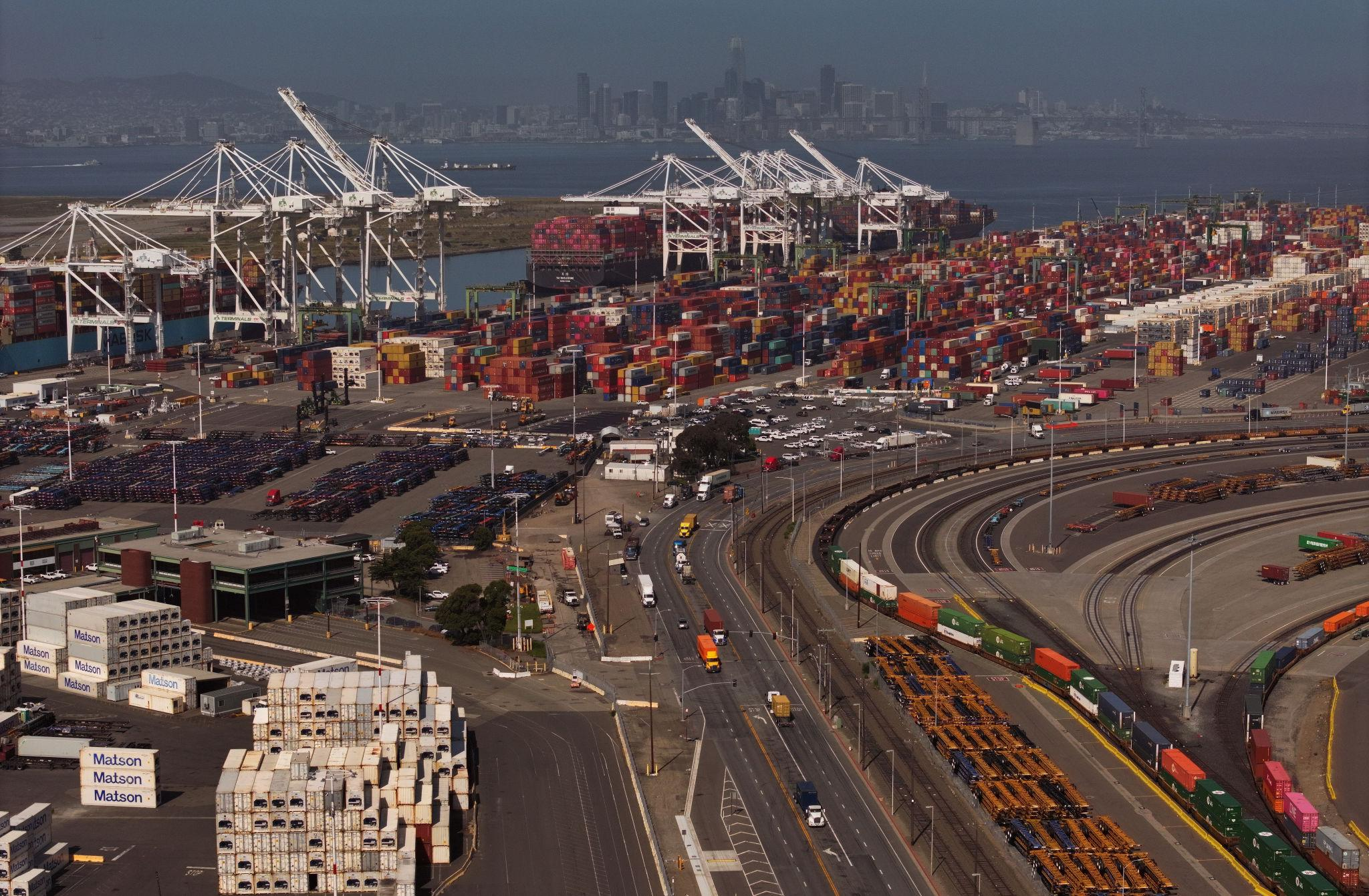
Rising logistics expenses eventually reach consumers. Products become more expensive to import as shipping costs escalate. Businesses may pass these expenses along, particularly those reliant on global supply chains like electronics, clothing, and machinery sectors. This represents cost-push inflation, where production and distribution expenses drive prices upward.
Why This Matters Now
The timing matters considerably. As inflation stabilises worldwide and central banks contemplate easing monetary policy, renewed shipping cost pressures could complicate economic recovery. Rising shipping costs are an early warning signal requiring close monitoring as these effects ripple through global markets with a lag effect over coming weeks.
Rising shipping costs represent an early warning signal for inflation, as higher logistics expenses will eventually be passed on to consumers across multiple sectors.