Sometime in the last twelve months, your Spotify, your Netflix, maybe your exam prep app, all quietly got more expensive. Not by a lot. A rupee here, a dollar there. If you noticed at all, you probably shrugged and kept paying. That shrug is the entire business model.
2026 has been the most aggressive year for subscription price increases since streaming went mainstream. Netflix raised prices for the second time in under two years. Spotify raised its Premium plan for the first time since 2024. Disney+, HBO Max, Paramount+, Peacock, Crunchyroll, PlayStation Plus, even Microsoft 365, all moved in the same twelve-month window. None of these companies coordinated with each other. They didn't need to. They were all running the same calculation, and they all arrived at the same answer.
Here's the calculation. Every subscription has what economists call a switching cost, the effort it takes to actually leave. For most subscriptions, cancelling takes about ninety seconds. So the real switching cost isn't technical, it's psychological. It's the mental effort of noticing the price went up, deciding it's worth doing something about, remembering to do it, and then following through before you get distracted by literally anything else in your day. Companies have learned that this psychological cost is almost always higher than the price increase itself. A ₹100 monthly bump feels smaller than the hassle of re-evaluating your whole subscription list, so most people do nothing. That's not irrational on your part. It's just that the company designed the entire experience to make inaction the path of least resistance.
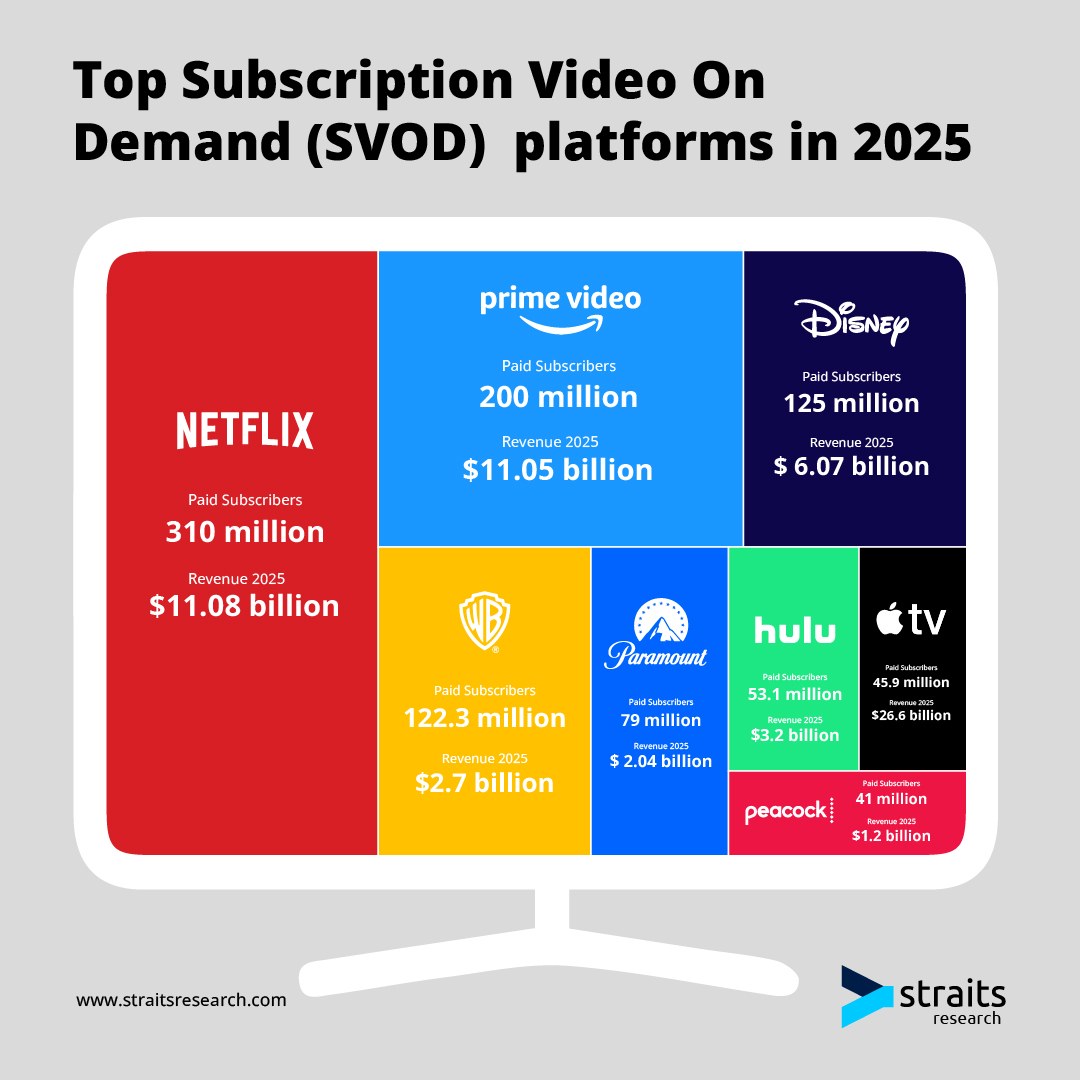
This is also why the increases come in small doses instead of one large jump. A subscription that suddenly doubled in price would trigger a wave of cancellations, because a jump that big is impossible to ignore. It forces a decision. A ₹20 or ₹50 increase, once or twice a year, almost never crosses that threshold. Subscription pricing teams aren't guessing at these numbers. They're testing exactly how much they can raise a price before cancellations spike, and setting the increase just under that line. Industry analysts have a name for this pattern: launch low to build a subscriber base, wait until switching feels like too much hassle, then raise prices gradually once people are locked in by habit rather than by contract.
Auto-renewal is the mechanism that makes all of this work. You never have to actively choose to keep paying. The subscription renews itself, silently, in the background, and the price increase just becomes the new normal the next time your card gets charged. If you had to manually re-subscribe and re-enter your card details every single month, price increases would face instant, visible resistance. Auto-renewal removes that friction entirely, which is exactly why almost no subscription service makes it easy to turn off.
None of this makes these companies villains. Content costs money, and a streaming platform spending billions on new shows genuinely does have rising costs to cover. But the size and timing of these increases has very little to do with covering costs and a lot to do with how much inertia a company can extract from its existing user base before people start leaving.
The useful move here isn't outrage, it's a five-minute audit. Most people have eight to twelve active subscriptions running quietly in the background, and a few of them are ones you signed up for once and have barely opened since. The real question for each one isn't whether the new price is fair. It's whether you'd sign up for it today, at this price, if you were starting from zero. If the answer is no, that's the subscription price creep quietly winning. If the answer is yes, that's fine too. Just make sure it was actually a decision, and not just inertia doing the deciding for you.