
Oil prices have fallen to their lowest points in five months. The world may have far more oil than it needs next year, according to experts, and ongoing trade disputes between the US and China are compounding the problem. The energy market is undergoing significant upheaval due to the combination of excess supply and decreased demand expectations.
A Supply Glut Is Coming
According to a recent forecast by the International Energy Agency, global oil production could increase by up to 4 million barrels per day by 2026. That is roughly 4 percent more than the global average. Russia and other OPEC Plus nations are responsible for the majority of this increase, expanding their production faster than anticipated. Because demand for oil is not increasing as quickly as projected, there may be a significant discrepancy between the amount of oil available and the amount that people actually want to use.
Price Levels Are Dropping
Prices have already decreased as a result of this concern about oversupply. Brent crude fell to $61.91, while US oil prices dropped to roughly $58.27 per barrel. If nothing changes, analysts predict prices may fall further. Bank of America cautioned that if tensions between the United States and China continue rising, oil prices may drop below $50 per barrel.
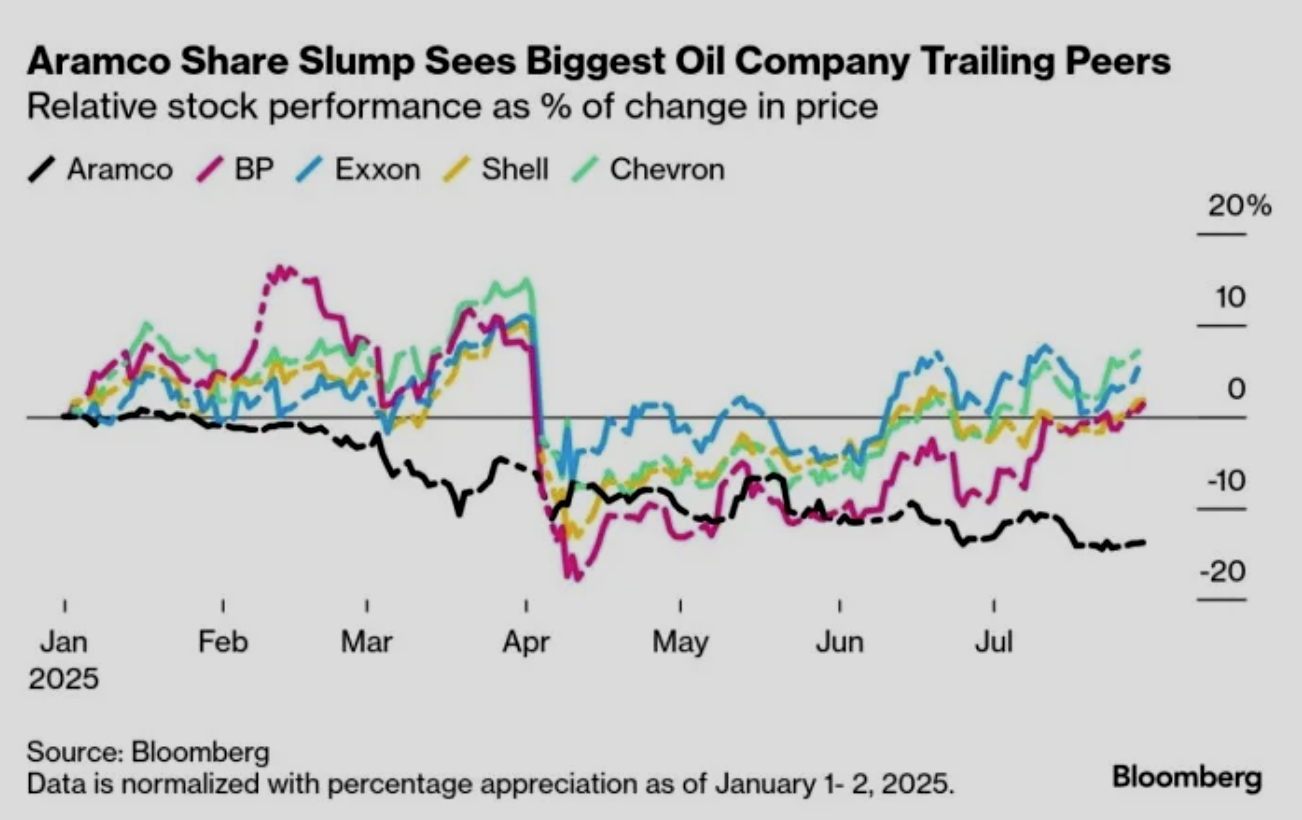
Trade Tensions Are Amplifying the Pressure
New tariffs and port fees imposed by both the US and China have increased the cost of shipping goods between them. Economic disputes of this nature slow down the broader economy and reduce the amount of oil required for production and shipping. To make matters worse, China is also battling a weak housing market and deflationary pressures in its own economy, further weighing on its oil demand.
Rising US oil inventories, which typically indicate weak domestic demand, are adding further downward pressure on prices. Despite some hope for a meeting between President Xi Jinping and President Trump, markets remain cautious until actual policy shifts materialise.
Oil prices are declining because a future supply surplus is already being priced in, compounded by trade tensions that are dampening global demand expectations.