
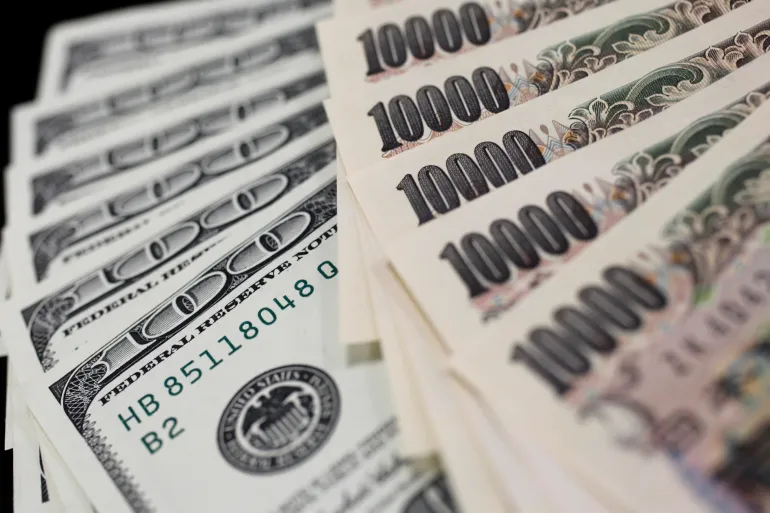
The Bank of Japan increased interest rates by 50 basis points to 0.75%, the highest level since 1995. Typically, such a move would strengthen a nation's currency, yet the yen actually declined in value following the announcement.
The central bank continued its gradual departure from decades of highly expansionary monetary policy. The rate increase reflected confidence that inflation had stabilised sufficiently to support higher rates. However, market reaction proved disappointing.
Why the Yen Fell
The yen weakened because investors had already anticipated the change, and the increase remained modest. Japan's rates remain substantially lower than those in the US and Europe, making the country less attractive for yield-seeking investors. Capital continues flowing toward economies offering superior returns.
The Bank of Japan's messaging contributed significantly to currency weakness. Officials signalled that future increases would proceed cautiously and gradually, suggesting no aggressive tightening cycle ahead. This provided little motivation for traders to purchase yen expecting substantially higher returns.
Mixed Effects on the Economy
A weakening yen produces mixed effects on Japan's economy. Exporters benefit from reduced costs for Japanese goods abroad, while manufacturers gain from converting foreign earnings. Stock prices and corporate profits have improved accordingly.
However, households bear the burden. Imports, particularly food and energy, become costlier when the currency weakens. Given Japan's substantial reliance on imported fuel, a weak yen increases living expenses and reduces consumer purchasing power, creating challenges for policymakers promoting wage growth to stimulate consumption.
The Limits of Cautious Tightening
The broader issue reflects competing central bank objectives. The Bank of Japan wants gradual movement away from extremely low rates without damaging already weak economic growth. Rapid rate increases risk slowing borrowing and spending.
The yen's decline despite rate increases illustrates this careful approach's limitations. Currency values depend on more than rates alone. Investors consider both the magnitude of increases and policymakers' commitment to change. With rates remaining historically low compared globally and predicted to rise slowly, investors lack incentive to move funds into yen.
Japan's rate hike marks a symbolic shift, but its cautious pace leaves the yen weak as rate gaps with the US and Europe persist. Markets reward the pace of rising rates, not merely higher headline rates.