
India's latest Union Budget does not attempt to create excitement. There are no sweeping giveaways or sharp policy pivots. Instead, it reflects a preference for continuity and restraint. That choice matters. Budgets are ultimately about priorities under constraint, and this one points firmly toward long term economic stability rather than short term stimulus.
A key feature of the budget is the continued emphasis on capital expenditure. Infrastructure spending remains a central focus, particularly in areas such as transport, logistics, defence production, and energy related projects. This aligns with the government's stated belief that durable growth depends on improving productive capacity rather than boosting consumption temporarily. Large infrastructure projects take time to deliver results, but once completed, they can lower costs, improve efficiency, and support private investment across the economy.
Just as important is what the budget does not do. There is no major departure from the existing fiscal consolidation path. Deficit targets remain broadly consistent with earlier commitments, despite the political space that often exists to loosen spending. This signals an effort to preserve macroeconomic credibility. For investors and credit markets, predictability in fiscal policy reduces risk, particularly at a time when global capital flows are sensitive to uncertainty.
Welfare spending continues, but without a significant expansion or the launch of large new universal schemes. The focus remains on targeted support delivered through existing programmes. This suggests an attempt to balance social protection with fiscal discipline. The underlying approach treats welfare as a safety net rather than a primary tool for driving growth.
The private sector is addressed more indirectly than through headline incentives. There are no major corporate tax cuts or aggressive new subsidy programmes. Instead, the emphasis appears to be on improving the broader environment for investment through infrastructure development, policy stability, and administrative efficiency.
Manufacturing continues to receive strategic attention, particularly in sectors linked to supply chain resilience such as electronics, defence, and clean energy. This focus reflects global shifts rather than isolationist intent. As trade patterns become more fragmented due to geopolitical tensions, India is positioning itself as a reliable production base within global supply chains.
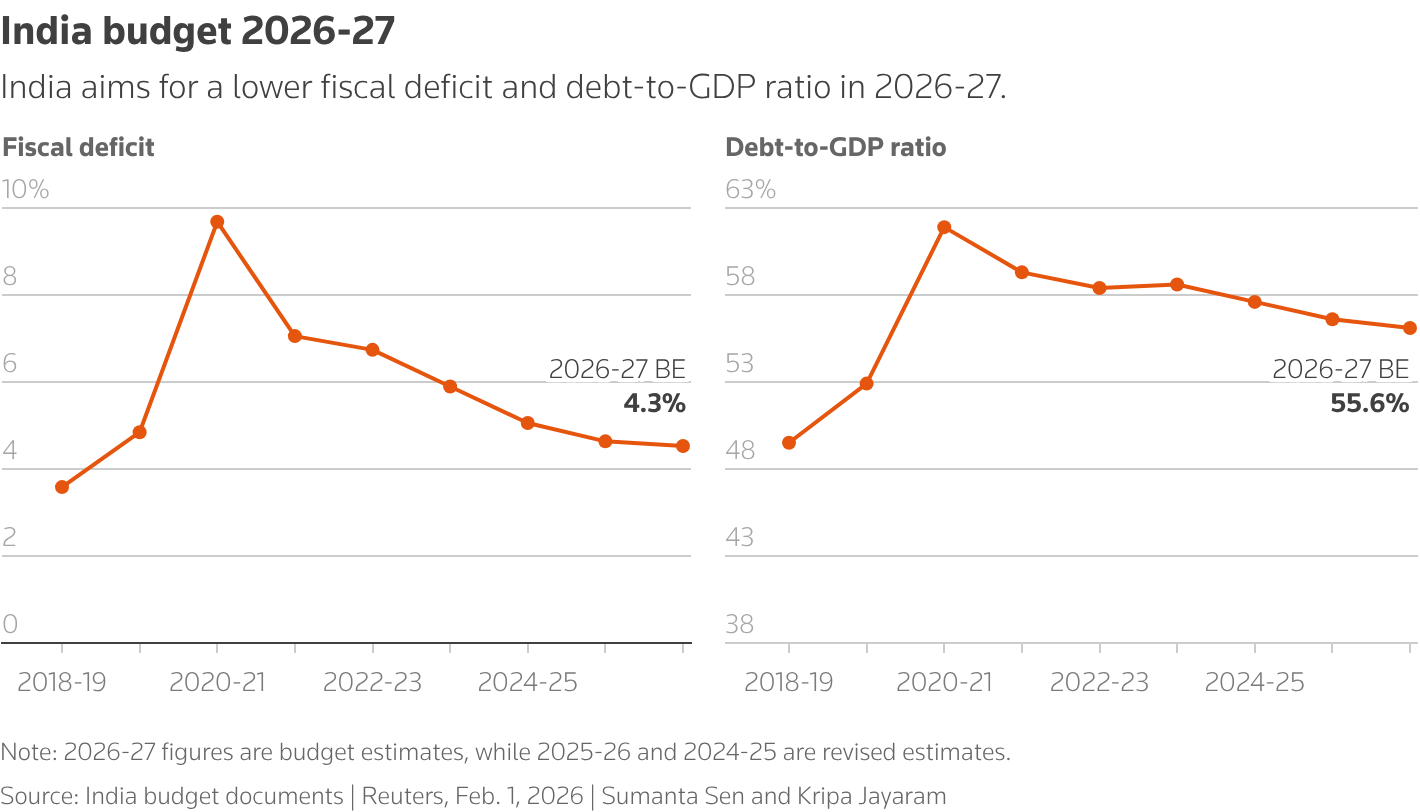
Overall, the budget communicates a clear philosophy. Growth is viewed as something to be built gradually through capacity, credibility, and confidence. It avoids dramatic promises and accepts slower political rewards in favour of economic stability. Budgets do not guarantee outcomes, but they reveal intent. This one suggests patience and a belief that lasting growth comes from structure, not speed.
The budget highlights how governments increasingly prioritise credibility and capacity building over quick stimulus, reinforcing that enduring economic confidence frequently supersedes immediate market responses.