
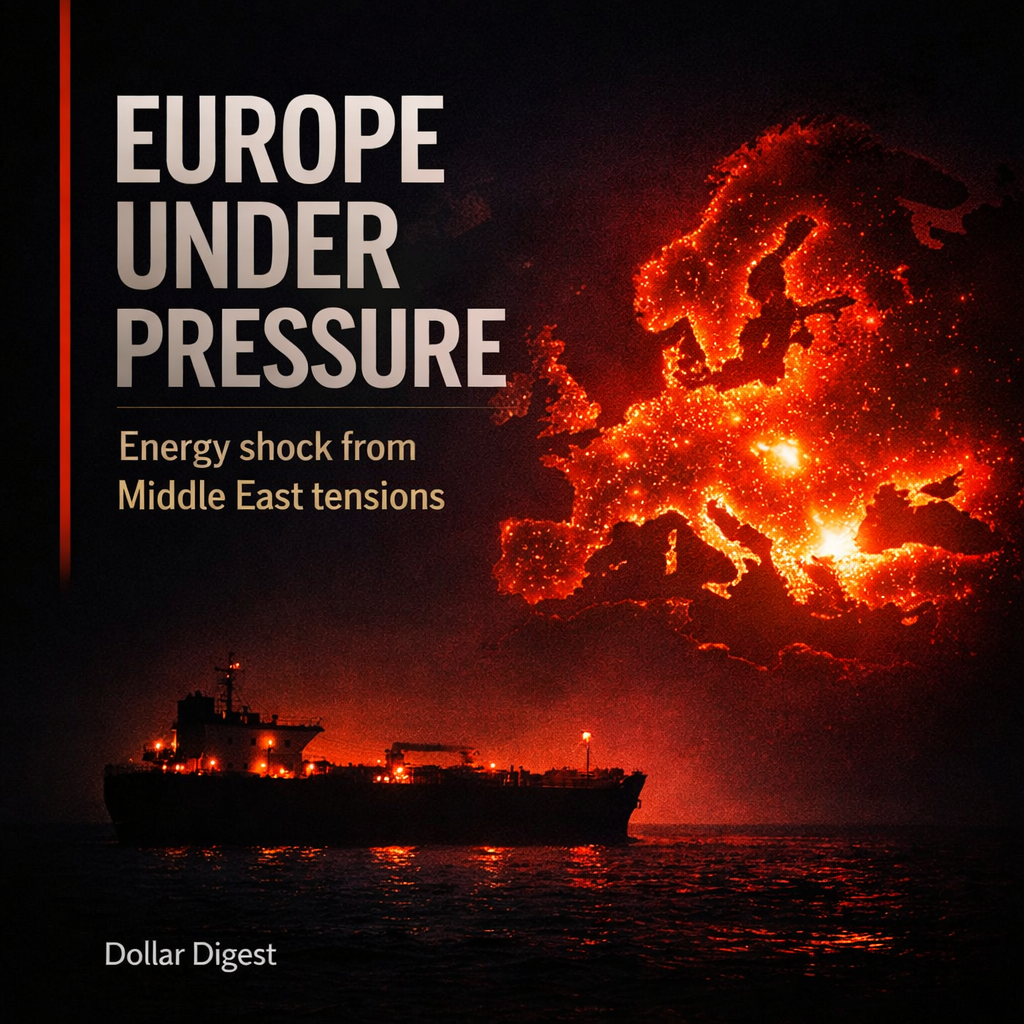
The escalating conflict in the Middle East is not staying contained to the region. Europe, which depends heavily on imported energy and relies on stable maritime trade routes, is beginning to feel the economic consequences in measurable ways.
Energy Prices Under Pressure
Europe imports a significant share of its natural gas and oil through routes that pass near conflict zones. As tensions rise, energy prices have started to climb. European businesses and households, already strained by the energy shocks of recent years, are facing the prospect of higher costs once again. For manufacturing-heavy economies like Germany, this hits directly at industrial competitiveness.
Trade Route Disruptions
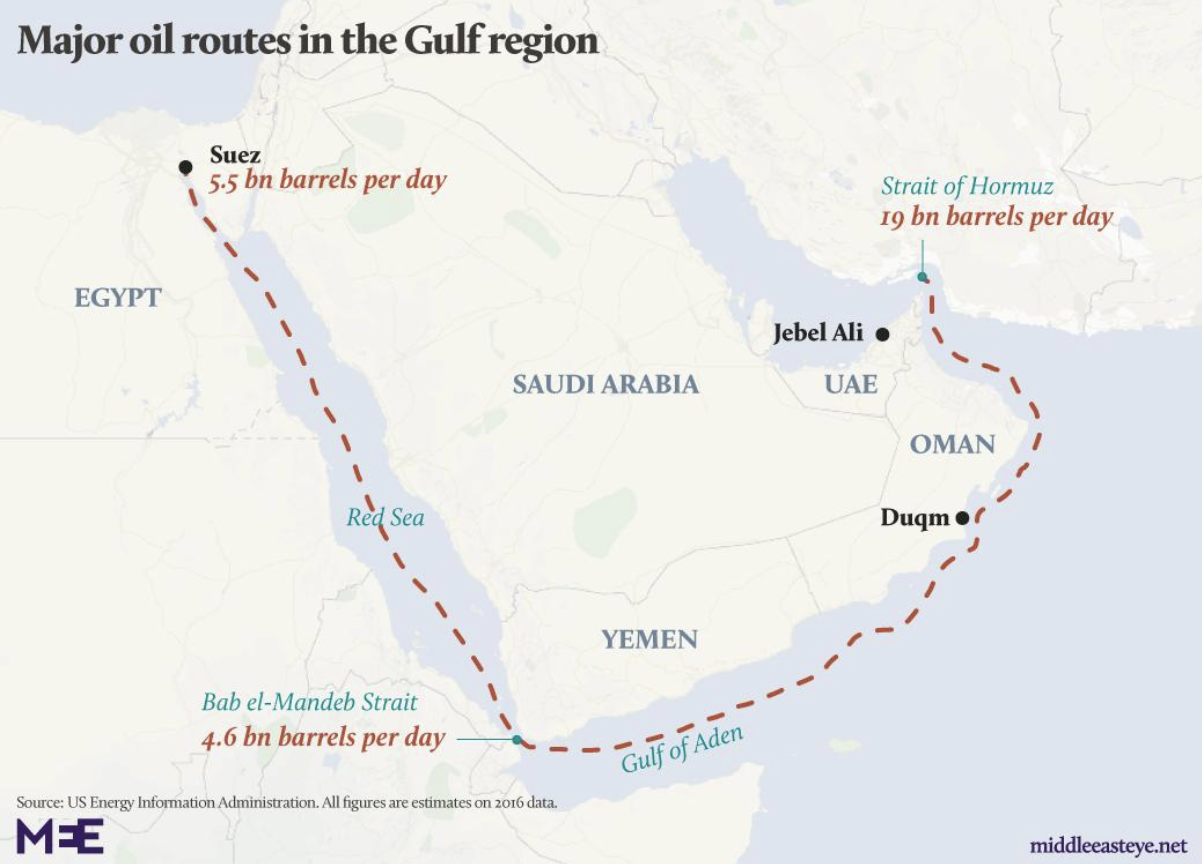
Much of Europe's trade with Asia passes through the Suez Canal and the Red Sea. Disruptions to these routes extend delivery times and raise freight costs. European importers and exporters are absorbing higher logistics expenses, which contribute to broader cost pressures across supply chains.
Inflation Implications
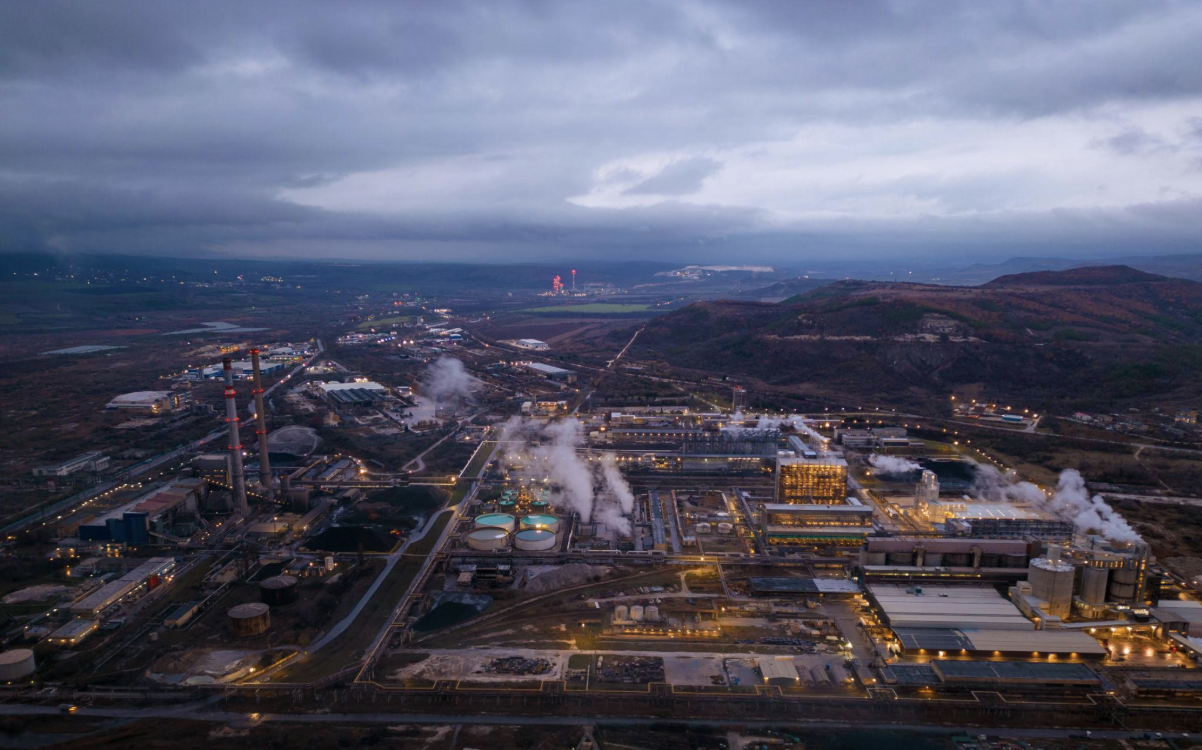
For the European Central Bank, these developments create an uncomfortable scenario. Just as inflation has been declining and rate cuts were coming into view, fresh cost pressures from energy and shipping could slow the pace of disinflation. This forces policymakers to maintain a cautious approach even as growth remains sluggish.
Investor Caution
Geopolitical uncertainty has also prompted some degree of capital caution in European markets. Investors are pricing in higher risk premiums, and some sectors sensitive to energy costs or global trade have seen increased volatility. The broader effect is a modest drag on sentiment and investment appetite at a time when Europe's recovery is already fragile.
Geopolitical tensions in the Middle East are creating real economic consequences for Europe through energy prices, shipping disruptions, and investor uncertainty.