
Chicago Did the Math. Everyone Else Threw a Party.
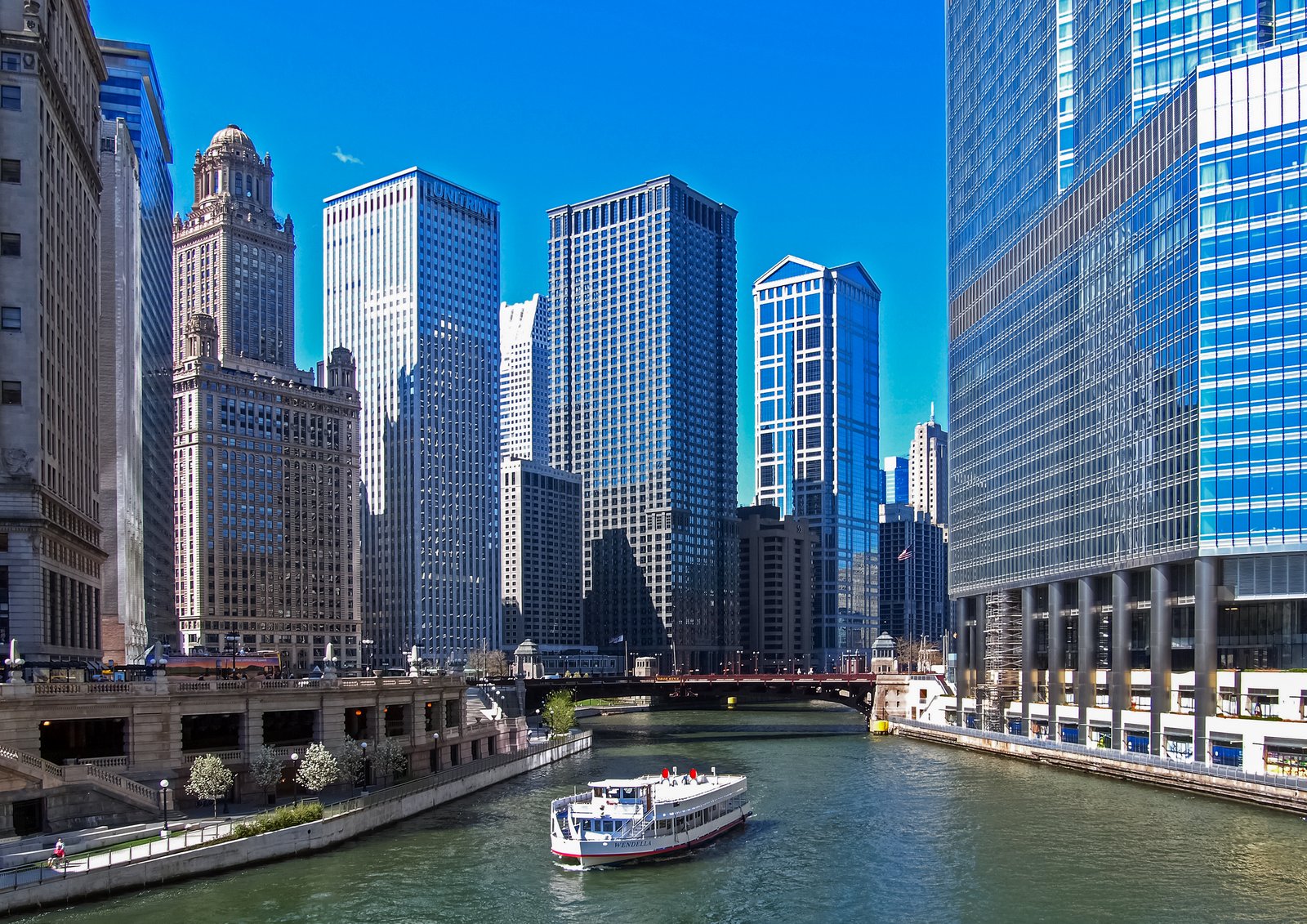
Sixteen cities looked at the same numbers and said yes. One looked at the same numbers and said no. That city is not hosting any World Cup matches this summer. It is also not sitting on a nine-figure security bill. I think it made the only intelligent decision anyone in this entire tournament has made.
In 2018, when US cities were bidding to host matches for the 2026 FIFA World Cup, Chicago ran the numbers, decided the deal did not work, and walked away. No dramatic announcement. No public grievance. Officials looked at what hosting actually required and concluded that the costs would outstrip any plausible return. The city then ran a tourism campaign targeting World Cup visitors arriving in other cities, effectively monetising the event without paying to stage it. That is not caution. That is competence.
That decision has received almost no coverage. The sixteen cities that bid anyway have received quite a lot. This tells you something about what we actually reward.
The structure of the deal goes some distance toward explaining why. FIFA projects revenues of north of eleven billion dollars from this cycle, generated through broadcast rights, sponsorship packages, ticketing, and a cut of official merchandise and resale. Host cities receive none of it. What they receive instead is the obligation to fund security operations, transit upgrades, and stadium compliance, costs that are not capped, not shared, and not contingent on how many tickets sell or how high the ratings climb. The upside flows to FIFA. The downside is absorbed locally. This is not a partnership. It is a risk transfer, dressed up in the language of civic pride and global visibility, and it has been working on cities for decades because prestige is considerably harder to invoice than a security mobilisation.
What made Chicago's decision genuinely unusual was not the conclusion but the willingness to reach it. Reading the contract honestly, rather than pricing in the intangible glow of being on a global stage, requires a specific kind of institutional courage that most city governments apparently do not have. Prestige is real. The photographs are real. The sense that your city matters to the world for a month is real. None of it shows up on a balance sheet. All of it showed up in the reasoning of every city that bid anyway.
This is not a 2026 problem. Independent research on major sporting events consistently finds budget overruns averaging well above one hundred and fifty percent of initial projections. Most World Cups since 1966 have left host nations running a net loss on the tournament itself. Andrew Zimbalist at Smith College, who has studied this more carefully than most, has put it plainly: the cities bear the costs and see none of the revenue. This has been true for a long time. The cities keep bidding anyway. At some point that stops being an error and starts being a choice.
There is one honest complication worth naming. Smaller, tourism-dependent economies hosting matches, Mexico in particular relative to its size, likely see a proportionally meaningful return that a large, diversified metropolitan economy like Chicago never would. The gain exists. It just gets statistically swallowed in a city whose GDP does not meaningfully move on the back of a month of football tourism. The rational question before bidding is not whether hosting is ever worth it. It is whether your specific economy is the kind that benefits, or the kind that ends up subsidising everyone else's good time.
Most of the sixteen cities that bid were the second kind and bid anyway, because the mayor wanted to be in the photographs, because the stadium lobby made the right calls, because saying no to the World Cup is a strange and unpopular thing to do even when the numbers clearly suggest you should.
Chicago said no. The economic record suggests it was right. The fact that this reads as the city missing out, rather than the city that did its homework while everyone else was busy planning the parade, is the most revealing thing about how we talk about events like this.
The tournament starts this month. The analysis will follow over the next several years, city by city, and it will largely confirm what the historical record already suggests. Chicago will not be in those reports, except perhaps as a footnote.
That footnote is the most economically literate sentence in this entire tournament.
More Opinion
Other Columns
Jul 6, 2026
We Read Freakonomics Wrong, and So Did Everyone Else
Freakonomics taught a generation that a clever enough economist could pull hidden truths out of any dataset. The book was not a fraud. The problem is subtler, and more interesting, because it is about what happens to an idea when you make it beautiful.
Jun 28, 2026
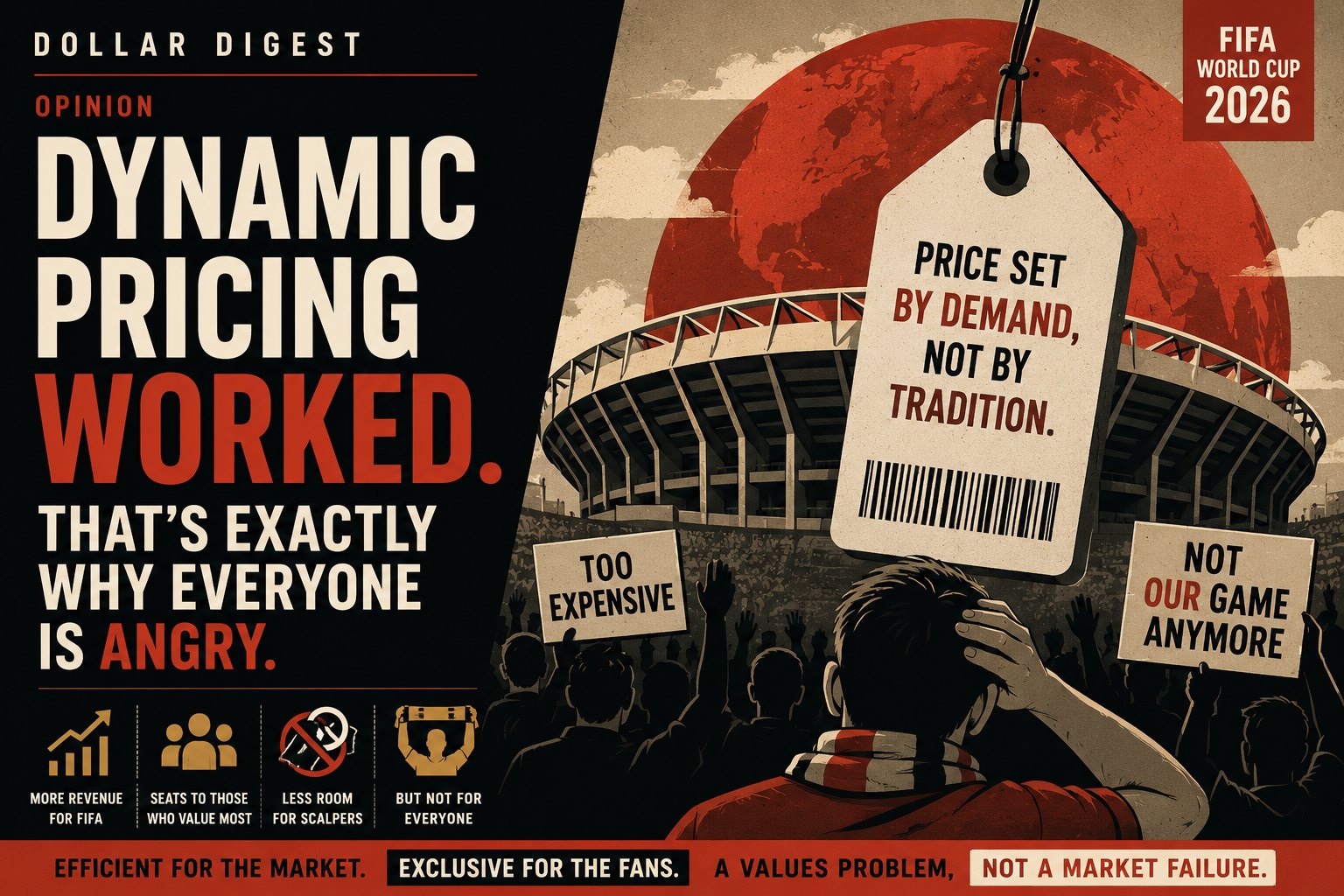
Dynamic Pricing Worked. That's Exactly Why Everyone Is Angry.
The 2026 World Cup sold out almost every seat in almost every stadium. FIFA called it a triumph. Fans called it a rip-off. Both are looking at the same number and reaching opposite conclusions, because they are arguing about two completely different things.
Jun 17, 2026
Margin Call Gets the Most Honest Line in Financial Cinema
Most financial crisis films are interested in the aftermath. The job losses, the foreclosures, the political fallout. Margin Call is interested in the eighteen hours before any of that happens, and that choice turns out to be far more revealing.
Jun 11, 2026
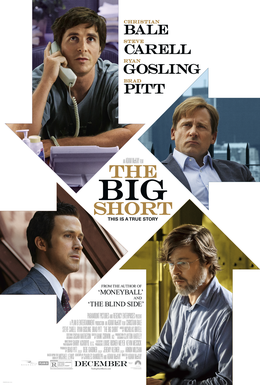
The Big Short Got the Villain Wrong
Most people come away from The Big Short with the same reading: Wall Street was greedy, regulators were asleep, and a handful of contrarians got rich by being the only ones willing to look at the data. That reading is not wrong. It is just not the film's most important argument.